AI Prompt Strategies for Better Content Results
If your AI outputs feel generic, repetitive, or not quite usable, the problem usually is not the model alone. More often, it is the prompt structure, the missing context, or the lack of a clear outcome definition. For marketers, creators, studios, print brands, and digital product teams, mastering the right AI prompt strategy is now a competitive advantage.
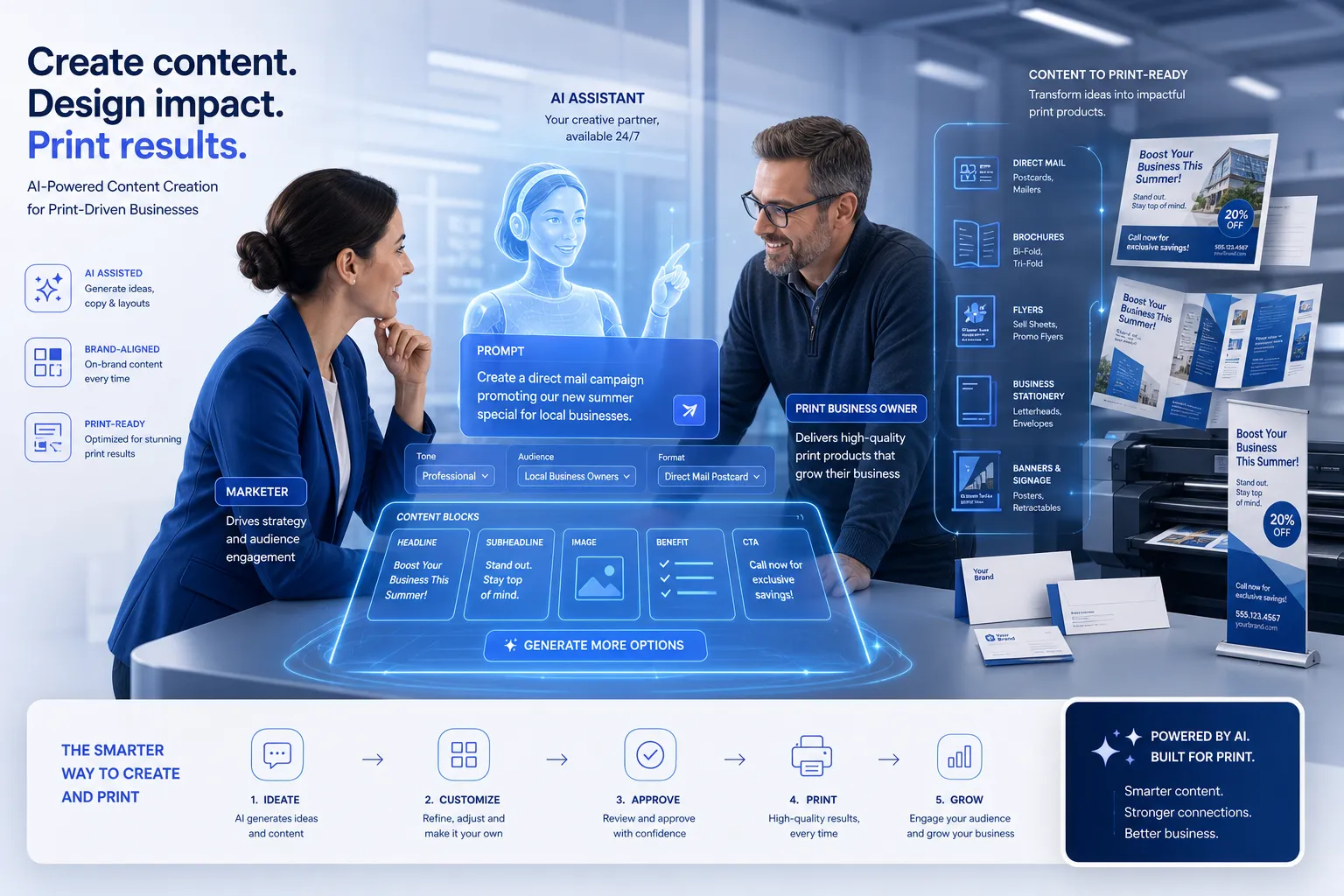
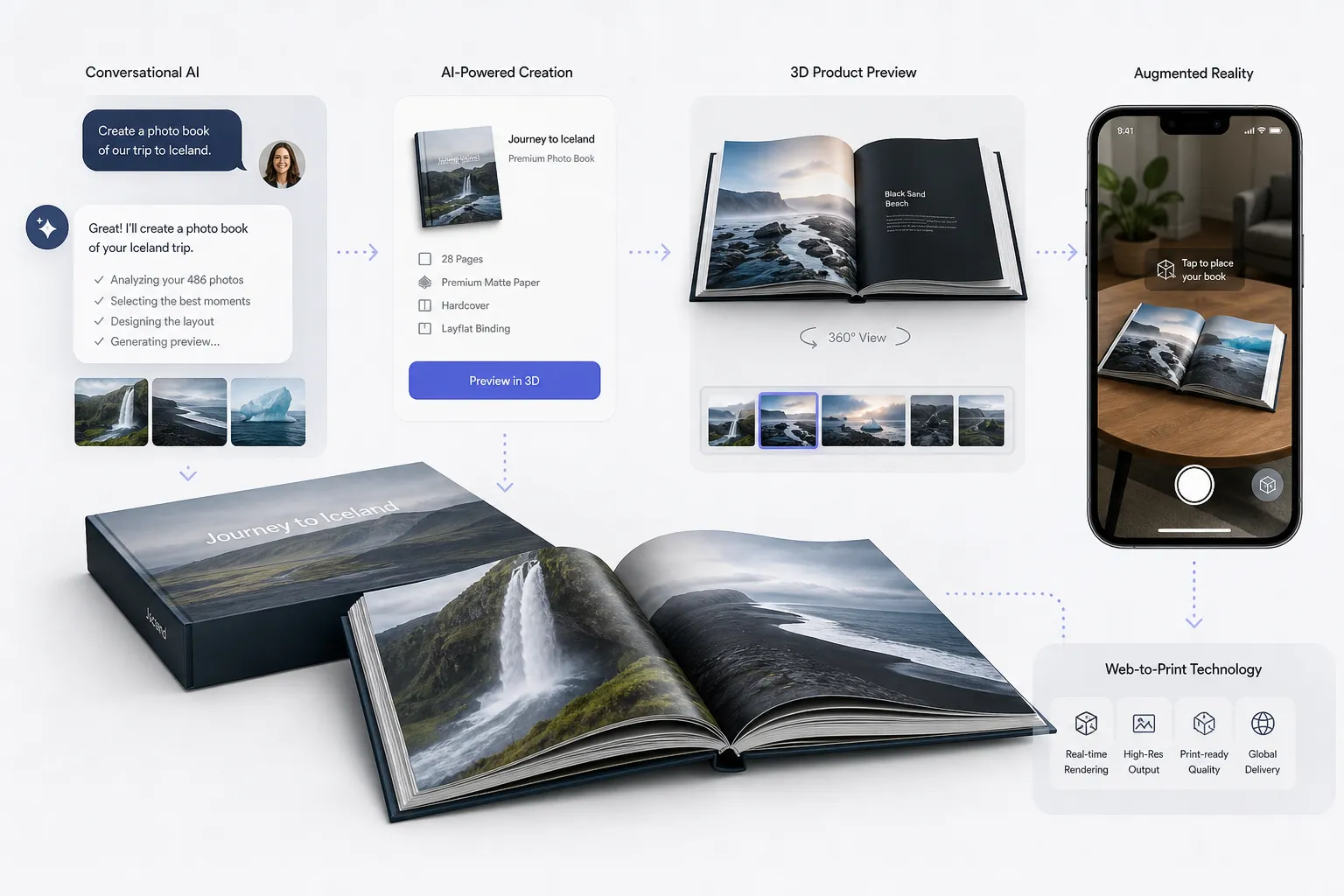
The stakes are even higher for businesses building customer-facing AI experiences. A weak prompt causes friction. A strong one accelerates decisions, improves content quality, and turns casual intent into conversion-ready output. At Media Rex Alliance, we see this firsthand in AI-powered web-to-print environments, where conversational inputs can transform into premium, print-ready products, photorealistic 3D previews, and immersive AR experiences without forcing users into complex design software.
That is why effective prompting is no longer just a writing skill. It is a workflow design skill, a product strategy skill, and a revenue optimization skill.
What Top-Ranking Content Gets Right - and Where It Falls Short
The leading articles on prompting tend to agree on a few core ideas:
give the model context
be specific
define the format
iterate instead of expecting perfection in one try
match the tool to the task
Those are valid foundations. But most content stops too early. It explains prompting as a one-time input tactic rather than a system for repeatable business outcomes.
The biggest content gaps in competitor coverage
After synthesizing the leading articles, several gaps stand out:
Content Gap | Why It Matters |
|---|---|
Prompting for workflows, not just one-off answers | Teams need scalable systems, not isolated wins |
Connecting prompts to conversion and customer experience | Better prompts reduce friction and increase action |
Prompt design for structured outputs | Most business use cases require usable formats, not raw text |
Prompting in visual and commerce environments | Modern AI increasingly powers layouts, previews, and product generation |
Human review loops and quality control | Prompting alone does not remove the need for oversight |
White-label AI application design | SaaS and print businesses need deployable customer-facing AI, not only internal productivity tips |
This is where Media Rex Alliance operates differently. We do not treat prompting as a novelty. We treat it as the interface layer between user intent and production-ready outcomes.
Why Prompt Quality Directly Impacts Content Performance
A prompt determines how much ambiguity the model must resolve on its own. The more ambiguity you leave, the more likely the AI will fill gaps with assumptions, generic language, or irrelevant structure.
In practical terms, a strong prompt helps you control:
output quality
tone consistency
factual focus
formatting
audience fit
revision speed
production readiness
"Access to a generative AI-based conversational assistant increased productivity by 14% on average." - NBER
That productivity upside becomes far more meaningful when the output can actually be used without heavy cleanup.
"Only 2% find AI outputs require no revisions." - TechRadar
That is the real business lesson: AI can move fast, but prompt quality determines whether that speed creates leverage or extra editing work.
The Core Formula Behind a Better AI Prompt
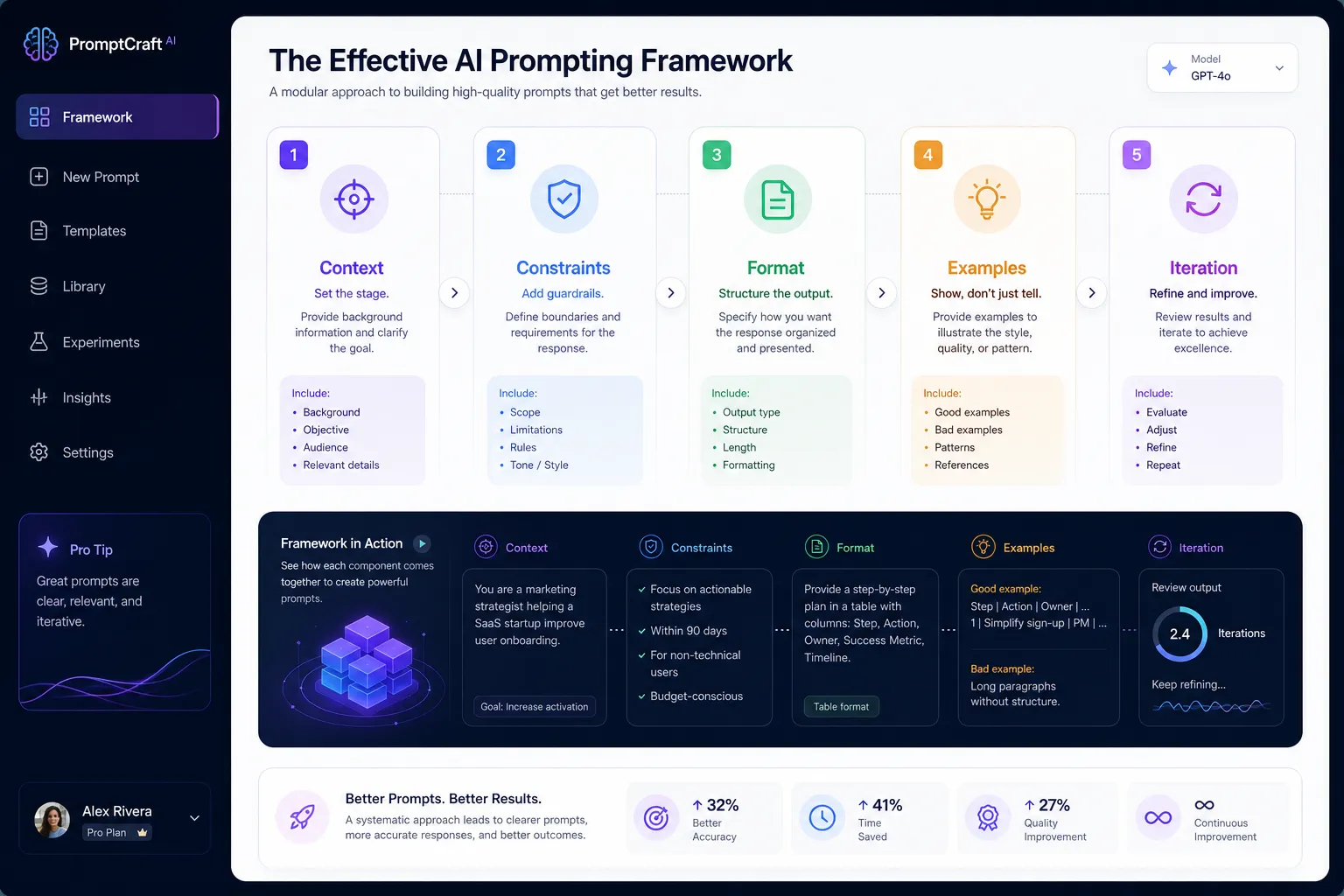
The simplest way to improve results is to treat every prompt as a mini brief.
A high-performing prompt usually includes five parts
Objective
What exactly should the AI produce?Context
What background does it need to know?Constraints
What should it avoid, limit, or prioritize?Format
How should the output be structured?Quality bar
What does success look like?
A weak prompt vs a strong prompt
Weak Prompt | Strong Prompt |
|---|---|
Write a blog intro about AI prompts | Write a 150-word introduction for a B2B SaaS blog post aimed at print businesses and creative teams. Explain why better prompting improves content quality and speed. Use a confident, modern tone and end with a transition into practical strategies. |
Help me with product descriptions | Create 5 product descriptions for a premium photo book service. Each should be 60 to 80 words, emphasize emotional value and fast creation, and speak to busy parents on mobile devices. |
Summarize this report | Summarize this report for senior decision-makers in 5 bullet points. Focus on risk, opportunity, and next-step actions. Use concise language and avoid technical jargon. |
The 7 Prompt Strategies That Consistently Produce Better Results
1. Start with the outcome, not the topic
Most users tell AI the subject. Strong users define the deliverable.
Instead of asking for “ideas about print marketing,” ask for:
a landing page outline
10 value-driven ad hooks
a 90-word product summary
a comparison table for buyer evaluation
The clearer the deliverable, the more usable the response.
2. Add role and audience framing
AI performs better when it knows who it is “being” and who it is writing for.
For example:
act as a SaaS conversion copywriter
write for mid-size print brands evaluating white-label AI tools
explain for non-technical ecommerce teams
This is especially important in high-consideration B2B markets where tone and audience precision shape trust.
3. Specify structure before style
Many users obsess over tone first. In reality, format usually matters more.
Ask for:
bullets
table format
step-by-step instructions
executive summary
FAQ
email sequence
product comparison matrix
Structure transforms AI from a chat tool into a production tool.
4. Use constraints to reduce fluff
Constraints force relevance. They improve precision and reduce generic output.
Useful constraints include:
word count
reading level
number of examples
no jargon
cite only verifiable sources
avoid repeating the same phrases
prioritize commercial intent
5. Give examples when quality matters
If you already have a preferred brand voice, layout pattern, or output style, show the model an example. This often improves results faster than adding more instructions.
Examples are especially useful for:
brand voice mimicry
product descriptions
email tone
visual prompt patterns
landing page copy blocks
6. Break large tasks into stages
This is one of the most underused strategies in competitor articles.
Do not ask AI to create an entire campaign, report, or product experience in one step. Split it into stages:
generate options
select a direction
expand the chosen angle
refine for tone
format for publishing
This staged method is also how advanced AI product experiences are built. At Media Rex Alliance, the most effective conversational commerce flows do not rely on one giant prompt. They guide users from intent to output through structured steps that reduce overwhelm and improve conversion.
7. Prompt for revision, not just generation
Your second prompt is often more important than your first.
Follow-up prompts can refine:
clarity
specificity
tone
organization
missing objections
CTA strength
SEO alignment
Good prompting is iterative by design.
Prompt Types and When to Use Them
Zero-shot prompts
Use these when the task is simple and you do not need a specific pattern.
Best for: quick summaries, headline ideas, definitions, rough brainstorming
Few-shot prompts
Use these when you want the model to mimic style, formatting, or logic from examples.
Best for: branded content, sales copy patterns, product copy consistency
Role-based prompts
Use these when expertise framing will improve the answer.
Best for: strategic planning, expert-style analysis, audience-calibrated writing
Chain prompts
Use these when the work is complex and should be broken into steps.
Best for: reports, campaigns, long-form articles, customer journeys
Multimodal prompts
Use these when the AI can work with text, images, data, or layouts together.
Best for: creative workflows, product generation, visual review, print design logic
A Practical Prompt Framework for Marketers, Creators, and Print Businesses
Here is a reusable framework you can adapt across content, commerce, and production use cases.
The CRAFT framework
Element | Meaning | Example |
|---|---|---|
C | Context | We are a white-label AI print platform serving photo brands and print-on-demand companies |
R | Role | Act as a senior SaaS copywriter with expertise in ecommerce conversion |
A | Action | Write a homepage section explaining how conversational product creation works |
F | Format | Use 3 short paragraphs followed by 4 bullets |
T | Threshold | Keep it under 180 words and make it persuasive, modern, and easy to scan |
This kind of prompting is useful internally for content teams and externally for customer-facing AI systems.
Examples of Better AI Prompting in Real Business Scenarios
Content marketing
Prompt:
Act as a B2B content strategist. Write an outline for a blog post targeting mid-size print brands evaluating AI-powered web-to-print platforms. Include sections on conversion friction, mobile-first design, white-label deployment, and on-demand production efficiency.
Product page optimization
Prompt:
Write 3 value propositions for a browser-based print customization platform that lets customers create products with conversational AI instead of manual design tools. Emphasize speed, ease of use, and photorealistic previews.
Sales enablement
Prompt:
Create a comparison table showing the difference between traditional web-to-print software and an AI-powered white-label print platform. Focus on customer effort, deployment speed, mobile usability, and operational scalability.
Creative commerce
Prompt:
Generate a user-facing onboarding message for a mobile-first photo book creator. Explain that users can describe the book they want in plain language, upload photos, and preview the result in 3D before ordering.
Why Better Prompting Matters Even More in AI-Powered Print and Ecommerce
For a standard chatbot, a mediocre prompt might just create mediocre text. In AI-powered commerce, a mediocre prompt can reduce trust, slow buying decisions, or produce confusing product outputs.
That is why prompt strategy becomes essential in modern web-to-print environments.
In ecommerce and print, prompts influence more than copy
They can shape:
product configurations
design layouts
personalization logic
visual previews
checkout confidence
fulfillment readiness
Media Rex Alliance is built for this next generation of prompt-driven customer experiences. Instead of forcing end users into traditional design software, the platform enables them to create products through natural conversation. That means less friction, faster product creation, and a smoother path to purchase.
What this looks like in practice
A customer might type:
“Create a modern wedding photo book with a soft editorial feel, linen cover, minimal captions, and space for full-page portraits.”
In a legacy system, that customer may face a long sequence of manual template choices, editing tools, and design decisions. In the Media Rex Alliance model, that same intent can become a ready-to-print product experience, enhanced by photorealistic 3D and AR previews that help the buyer feel confident before ordering.
What Makes a Prompt Strategy Scalable
Most teams think prompting is a personal skill. High-performing businesses turn it into an operational system.
A scalable prompt strategy includes
reusable prompt templates
workflow-specific prompting rules
output review standards
team training on follow-up prompts
clear brand and formatting guidelines
integrated AI tools that reduce user effort
This is where white-label AI infrastructure matters. If you are a print business, photo brand, or digital commerce company, you do not just need better prompts internally. You need a customer-facing environment where prompting feels intuitive and produces reliable outcomes at scale.
That is exactly why Media Rex Alliance focuses on:
white-label deployment into existing storefronts or apps
mobile-first, browser-based access with no app install required
local and cloud project sync across devices
automated fulfillment through a global network of premium printers
on-demand production that reduces inventory overhead
infrastructure that scales from startup operators to enterprise print companies
Common Prompting Mistakes That Hurt Content Results
Being too vague
If you say “write something about AI,” the output will likely be broad and forgettable.
Asking for too much in one step
Large prompts without process control often create disorganized output.
Ignoring the end audience
A response for technical operators should not sound like a response for casual consumers.
Failing to define format
Without format guidance, AI tends to default to generic paragraphs.
Assuming the first draft is final
The best outputs almost always come from refinement.
Forgetting operational context
For businesses, the value of prompting is not just language quality. It is whether the output fits the actual workflow, product, or customer experience.
Prompt Optimization Checklist
Use this before sending your next request to any AI system.
Question | Why It Matters |
|---|---|
Did I define the exact deliverable? | Reduces ambiguity |
Did I provide audience and context? | Improves relevance |
Did I specify structure and format? | Makes the output usable |
Did I set constraints? | Cuts fluff and improves precision |
Did I include examples if needed? | Speeds up alignment |
Did I plan a follow-up prompt? | Improves final quality |
Does this output support a real workflow? | Ensures business value |
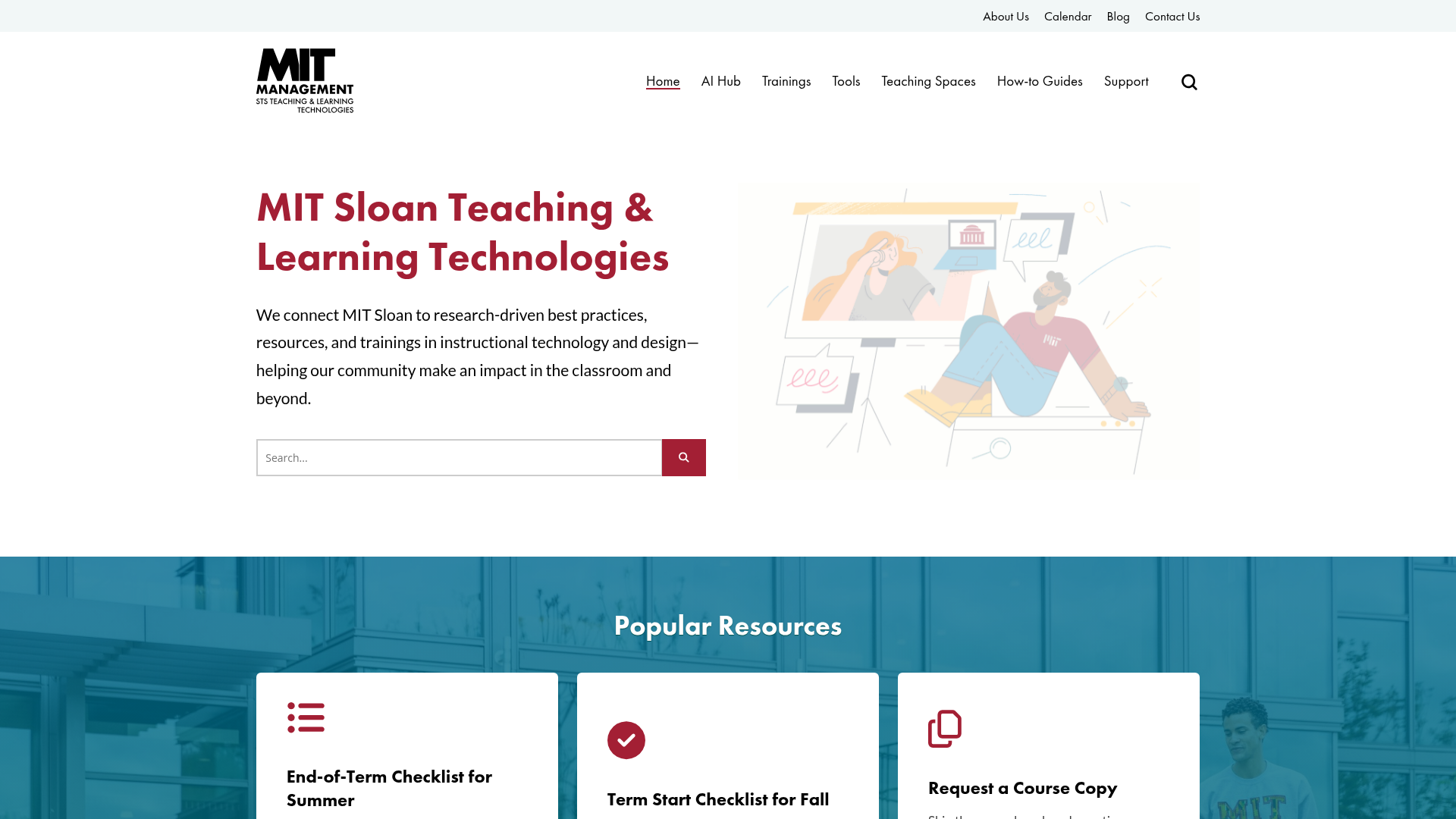
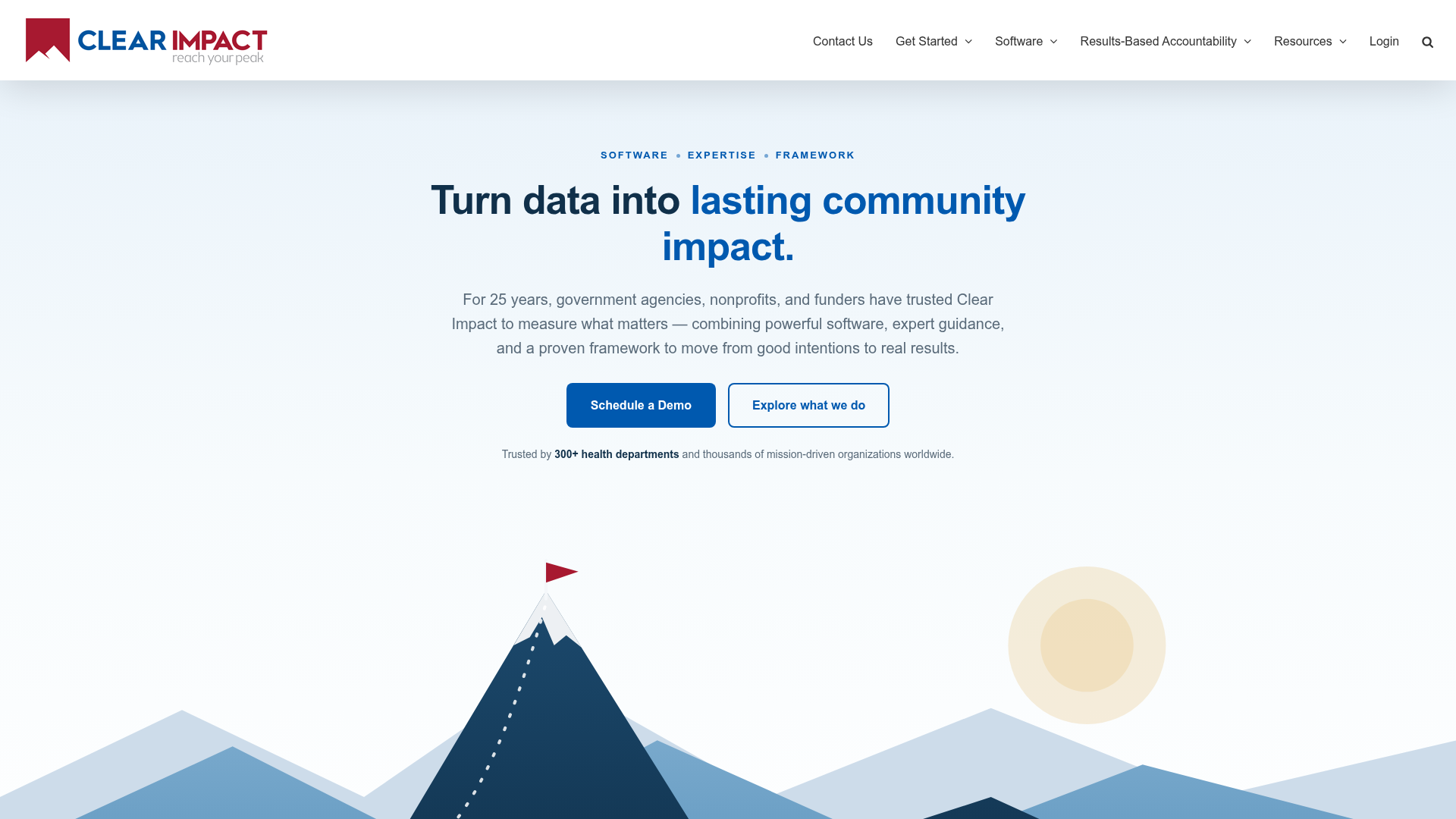
Screenshots of Competitor Positioning in the Prompting Space
While most content focuses on general prompting advice, the market is clearly moving toward more applied, workflow-driven AI education.
The Future of the AI Prompt: From Input Box to Intent Engine
The next phase of AI is not just about better answers. It is about better interfaces for turning human intent into usable outcomes.
That means the most valuable AI systems will do more than respond. They will:
interpret user goals
guide refinement
generate structured outputs
visualize decisions before purchase
connect directly to fulfillment and production systems
This is particularly transformative in print technology. A conversational system that turns plain-language intent into premium physical products removes friction from every stage of the journey. It makes product creation more accessible for customers and more scalable for businesses.
Media Rex Alliance is designed for exactly this shift. It gives print businesses, studios, photo brands, and web-to-print operators a faster path to AI-powered product creation without building the infrastructure from scratch.
Final Verdict: Better Prompts Create Better Content - and Better Commerce
A better AI prompt does more than improve writing. It sharpens thinking, accelerates workflows, and increases the odds that AI output becomes something useful, publishable, or sellable.
For marketers and creators, that means faster content production with less revision. For digital print businesses and photo product brands, it means an entirely better customer experience: one where conversation replaces complexity, mobile-first creation replaces clunky software, and photorealistic previews build confidence before checkout.
If you want to move beyond generic AI output and toward a scalable, conversion-focused AI experience, Media Rex Alliance offers a compelling path forward. Its white-label platform enables businesses to launch conversational, print-ready product creation inside their own brand ecosystem, with on-demand production and automated fulfillment built in.
The result is not just better prompting. It is a better business model for the future of AI-driven web-to-print.
FAQ
How to give prompt to AI to get best results?
To get the best results, give AI a clear objective, relevant context, specific constraints, and a defined output format. The strongest prompts read like short briefs, not vague questions. You should also expect to refine the result with one or two follow-up prompts.
What is the 30% rule in AI?
The so-called 30% rule is not a universal technical standard, but it is often used informally to suggest that AI can get you part of the way quickly while humans still need to review, refine, and improve the final output. In practice, it is a reminder that prompting and editing work together.
What are the 5 P's of effective prompting?
A practical version of the 5 P's is purpose, persona, parameters, pattern, and polish. In other words, define the goal, assign a role, set constraints, choose the structure, and refine the output. This keeps prompts strategic and repeatable.
How can prompts improve AI-generated content?
Prompts improve AI-generated content by reducing ambiguity and telling the model exactly what to create, for whom, and in what format. Better prompts lead to stronger relevance, fewer revisions, and more usable outputs for marketing, sales, and production workflows.
What are the 5 P's of effective prompting?
The 5 P's of effective prompting help structure requests so AI produces more accurate and useful results. They typically cover your purpose, the role or persona, the parameters or constraints, the preferred pattern or format, and the final polish through iteration.
What are the top 10 AI prompts?
There is no single fixed list of the top 10 prompts because the best prompts depend on the task. High-performing prompt types usually include summaries, outlines, product descriptions, comparison tables, rewrite prompts, critique prompts, role-based prompts, brainstorming prompts, structured research prompts, and step-by-step workflow prompts.