Best Photo Book Program and Design Software
Choosing the best photo book software is no longer just a creative decision. For photographers, print studios, regional print brands, and modern photo product companies, it is now a conversion, scalability, and customer-experience decision.
The problem with most traditional photo book creation software is familiar: steep learning curves, desktop dependency, fragmented workflows, clunky mobile experiences, and too much friction between inspiration and purchase. Customers want speed. Brands want margin. Print businesses need a system that can scale without rebuilding their tech stack from scratch.
That is exactly why the market is shifting away from legacy editors and toward AI-powered, browser-based, white-label creation platforms.
At Media Rex Alliance, we see this shift as more than a software trend. It is the future of web-to-print: conversational product creation, print-ready automation, photorealistic previews, and on-demand fulfillment at global scale. Instead of forcing users into complex design tools, the platform enables them to create premium products through natural language prompts, mobile-first workflows, and seamless cloud sync across devices.
"The global photobook and album market was valued at approximately $3.51 billion in 2025 and is projected to grow to $5.61 billion by 2034, reflecting a compound annual growth rate (CAGR) of 5.61%." - Fortune Business Insights
"As of July 2026, the average mobile e-commerce conversion rate is approximately 1.82%, while desktop conversion rates range between 2.5% and 3.2%." - Opensend
That gap matters. If your photo book experience is still designed like desktop software from a decade ago, you are almost certainly losing mobile buyers.
What the best photo book design software should actually do
Most comparison articles focus too narrowly on templates, price, or print quality. Those matter, but they are not enough. The best software for creating photo books should perform across five business-critical layers.
1. Reduce creation friction
The first job of a photo book program is not design. It is momentum. Users should be able to start quickly, upload photos easily, and move from blank canvas to draft layout without getting stuck in menus.
That is why browser-based and AI-assisted tools increasingly outperform traditional download-first software.
2. Support professional output
No matter how easy the front end is, the software must still produce print-ready files, accurate bleeds, strong image handling, reliable typography, and premium export consistency.
3. Work beautifully on mobile
A surprising number of tools still treat mobile as an afterthought. Yet many customers begin projects on their phones, especially for travel albums, baby books, family memory books, and event keepsakes.
4. Improve buying confidence
The best platforms do not just let users design. They help them feel confident ordering. That means 3D previews, realistic page turns, cover visualization, and ideally AR previews that make the product feel tangible before checkout.
5. Scale for the business, not just the customer
This is the major gap in most “best photo book software” roundups. They review tools for end users, but ignore what brands need: white-label control, storefront integration, fulfillment automation, inventory reduction, and multi-market deployment.
Media Rex Alliance was built precisely for that final layer.
Desktop vs browser-based photo book software
Before comparing tools, it helps to understand the core divide.
Software Type | Best For | Strengths | Limitations |
|---|---|---|---|
Desktop photo book software | Advanced designers, offline workflows, detailed manual layouts | Deep control, local file handling, sometimes stronger pro editing | Installation required, weaker mobile use, slower onboarding |
Browser-based software | General consumers, mobile-first users, multi-device workflows | Fast access, no download, easier collaboration, simpler UX | Can be less flexible if not built for advanced output |
AI-powered browser-based platforms | Modern print businesses, scalable consumer storefronts, faster conversion | Prompt-based creation, automated layouts, previews, white-label deployment | Best suited when paired with a production-ready SaaS platform |
If your business still relies on “photo book software free download” style workflows, you may be solving the wrong problem. Downloadable tools can still work for niche professional users, but they are no longer the best default for brands that care about customer conversion and operational efficiency.
Our evaluation criteria for the best photo book software
To identify the best photo book design software, we looked beyond surface-level features and judged each option based on:
Ease of use
Mobile experience
Template and layout flexibility
AI or automation support
Print-readiness
Preview quality
White-label and business integration potential
Scalability for growing print operations
Need for software installation
Suitability for consumers vs businesses
Best photo book software compared
1. Media Rex Alliance
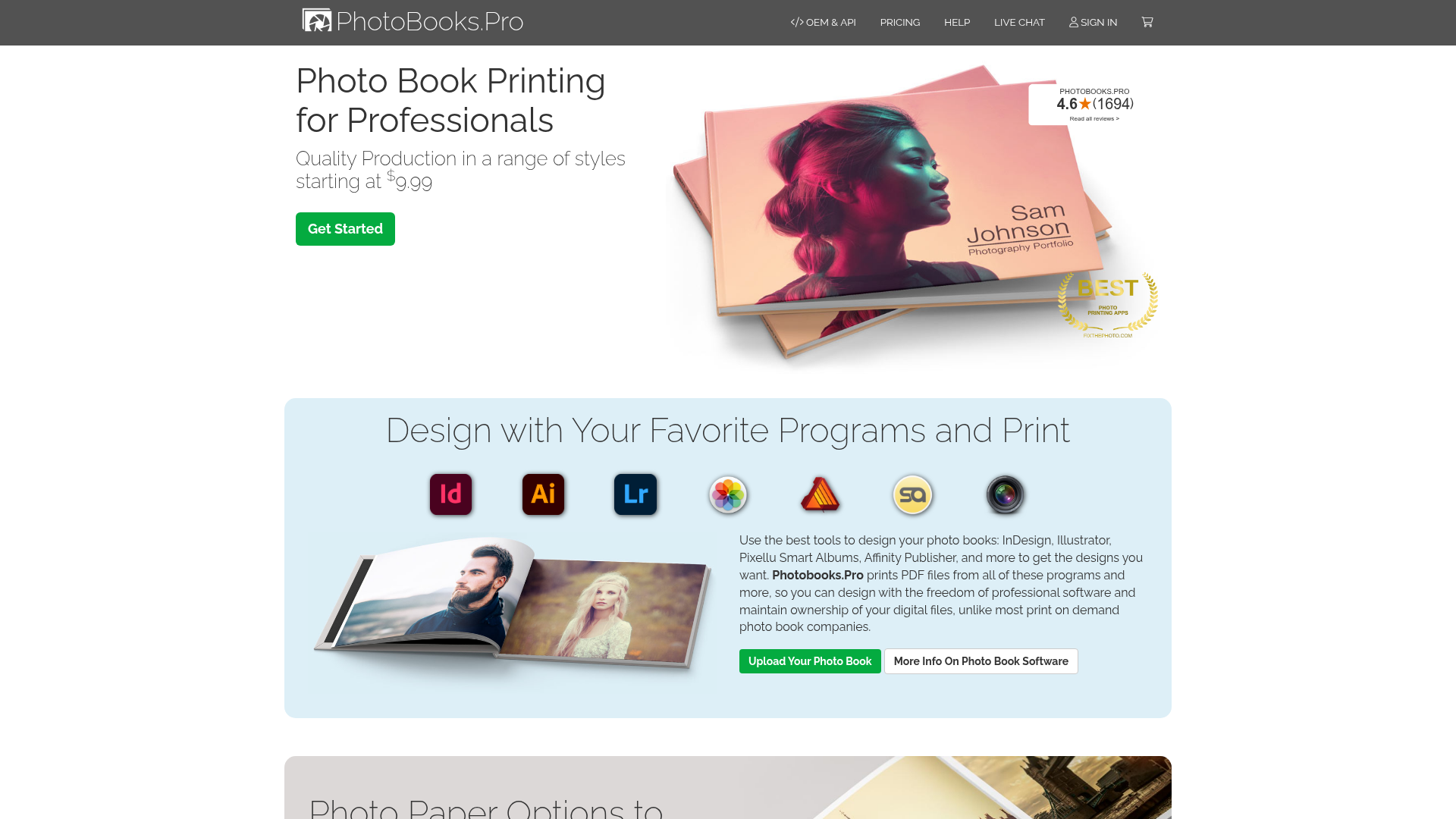
Media Rex Alliance is not just another photo book editor. It is a white-label AI print platform designed for businesses that want to modernize how customers create and buy personalized print products.
Instead of asking customers to master a complex editor, the platform lets them describe what they want in natural language. The system transforms that prompt into a print-ready photo product, supports photo uploads, generates layouts automatically, and provides photorealistic 3D plus immersive AR previews before purchase.
Why it stands out
This is where Media Rex Alliance separates from consumer-only tools:
Customers can create via conversational AI
Projects are mobile-first and browser-based
No app or installation is required
Businesses get fully white-label deployment
Projects sync locally and in the cloud across devices
Production runs on a no-stock, on-demand model
Fulfillment can be automated through a global premium printer network
For small studios, new print-on-demand brands, and established photo book companies alike, this means faster launch times, lower overhead, and a dramatically more modern buyer journey.
Best for
Photo book companies modernizing legacy editors
Print-on-demand brands launching personalized products
Photographers and studios selling branded albums
Regional printers that want enterprise-grade capabilities without building them in-house
Strengths
Strongest innovation profile in this comparison
Designed for conversion, not just creation
Excellent for mobile commerce
Enables scalable white-label rollouts
Bridges software, ecommerce, and fulfillment
Limitations
Best fit for businesses rather than hobbyist-only users
Requires strategic deployment rather than casual one-off use
Verdict
If you are searching for the best software to make photo books as a business, not just as an individual, Media Rex Alliance is the most future-ready option in this category.
2. Mixbook

Mixbook is widely regarded as one of the strongest consumer-facing photo book platforms. It offers a polished editor, good templates, solid customization, and relatively intuitive workflows.
Best for
Consumers creating premium personal albums
Families, travelers, and gift shoppers
Users who want a balance between ease and customization
Strengths
Easy-to-use browser-based interface
Strong template selection
Good end-product reputation
Better customization than many consumer tools
Limitations
More expensive than budget alternatives
Not built as a white-label business platform
Limited strategic value if you need your own branded system
Verdict
Mixbook is one of the best consumer options if your goal is simply making great-looking books for personal use. But for print businesses, it is still a vendor experience, not your own platform.
3. Canva
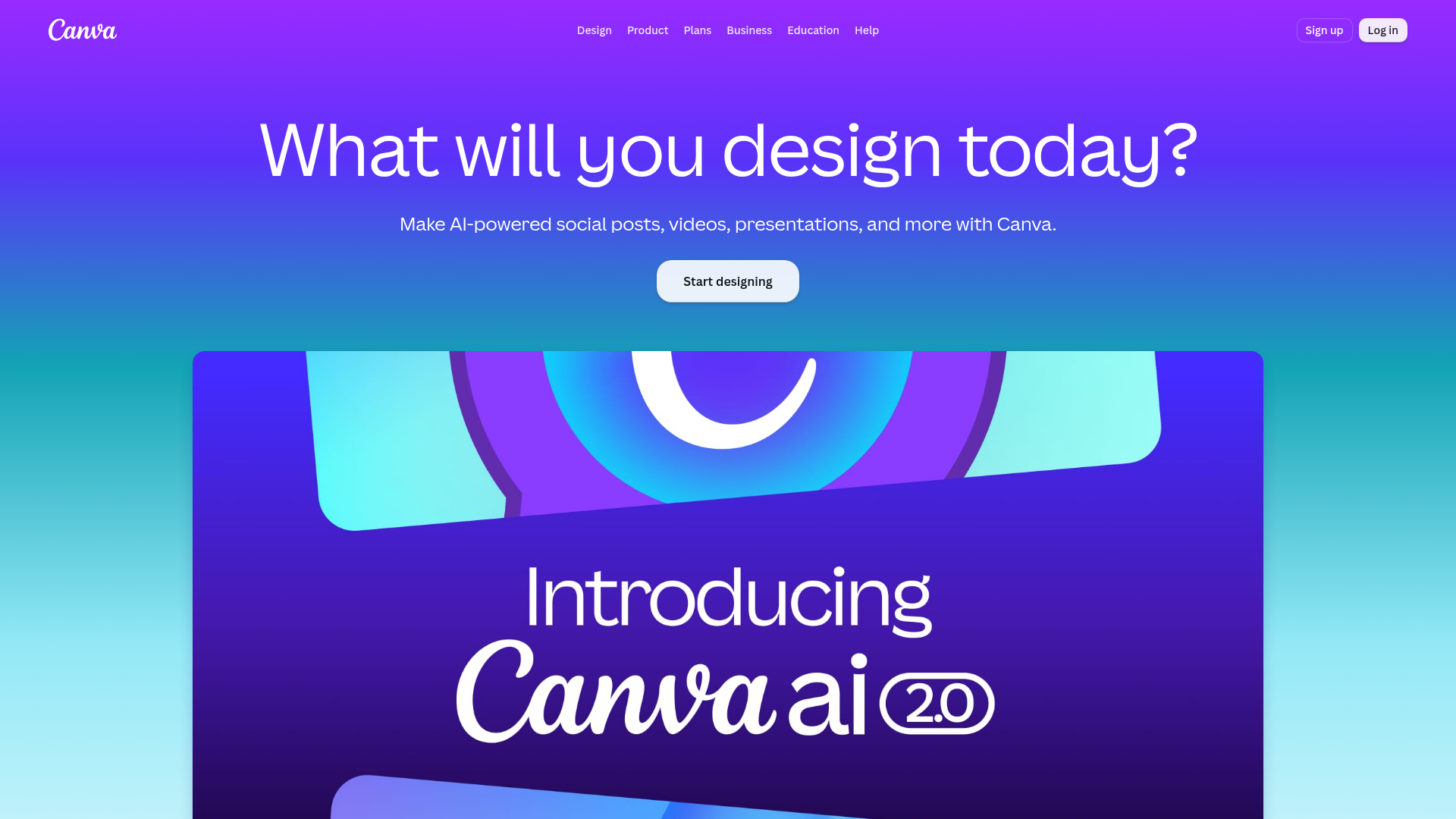
Canva is not a dedicated photo book program, but it is often considered because of its ease of use, brand familiarity, and broad template library.
Best for
DIY users already comfortable with Canva
Marketing teams creating simple visual books
Users prioritizing familiarity over print specialization
Strengths
Extremely approachable interface
Excellent design flexibility for general layouts
Strong collaboration features
Good for quick visual prototyping
Limitations
Not purpose-built for high-end photo book workflows
Print specifications and production depth are less specialized
Can become inefficient for large, image-heavy books
Verdict
Canva is a capable visual design tool, but it is not the best photo book software when premium print output, automation, and product-specific workflows are the priority.
4. Shutterfly
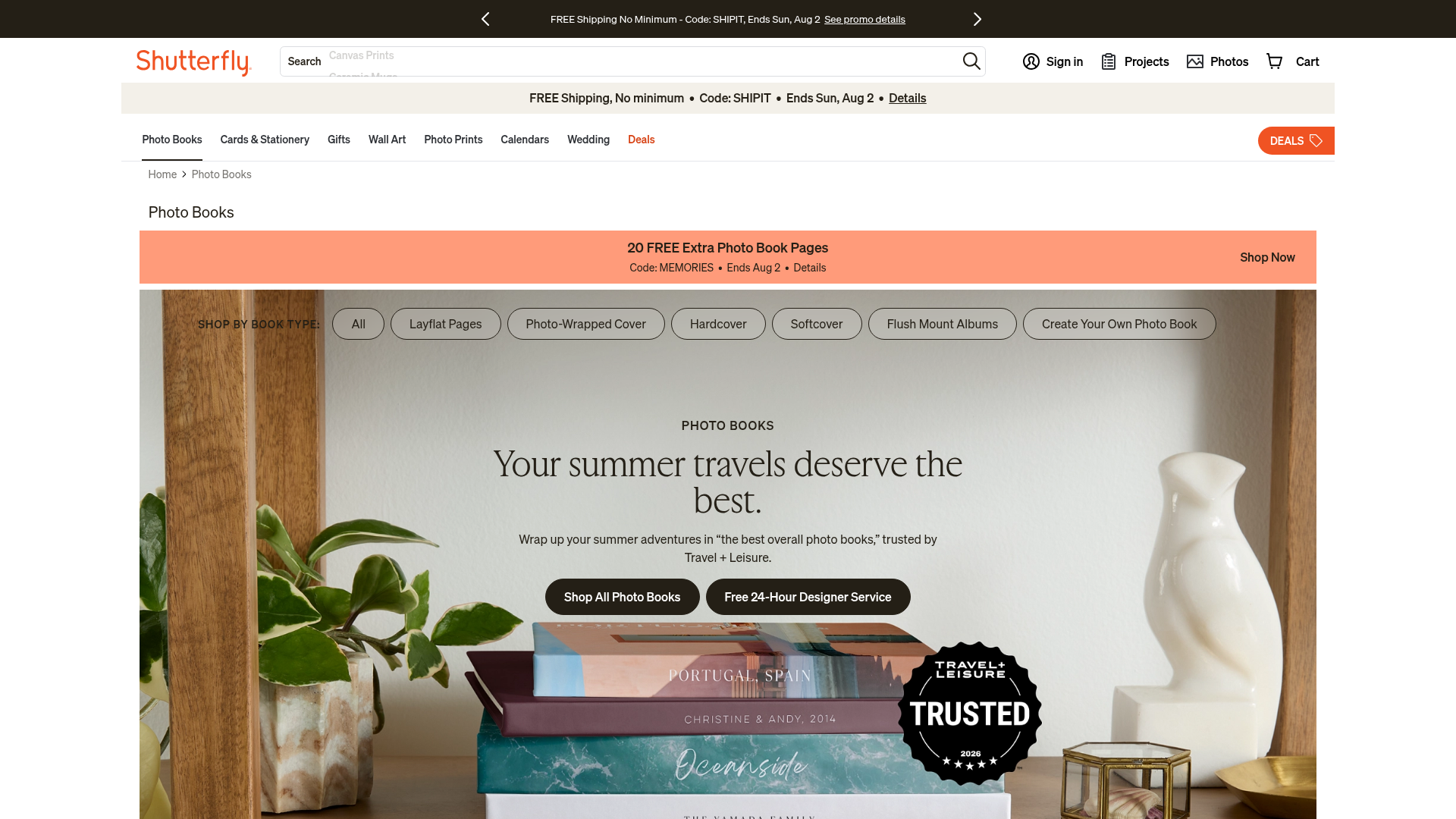
Shutterfly remains one of the best-known names in consumer photo products. It offers a broad product range and brand trust, especially in North America.
Best for
Mainstream consumers
Users who value promotions and product variety
Buyers who want a familiar brand ecosystem
Strengths
Large product catalog
Frequent discounts
Established brand and fulfillment history
Limitations
Editor usability is often seen as less elegant
Quality perception can vary by product tier
Not a white-label or SaaS solution for print businesses
Verdict
Shutterfly is a recognizable choice, but it is better understood as a consumer storefront than as best-in-class photo book creation software.
5. Vistaprint
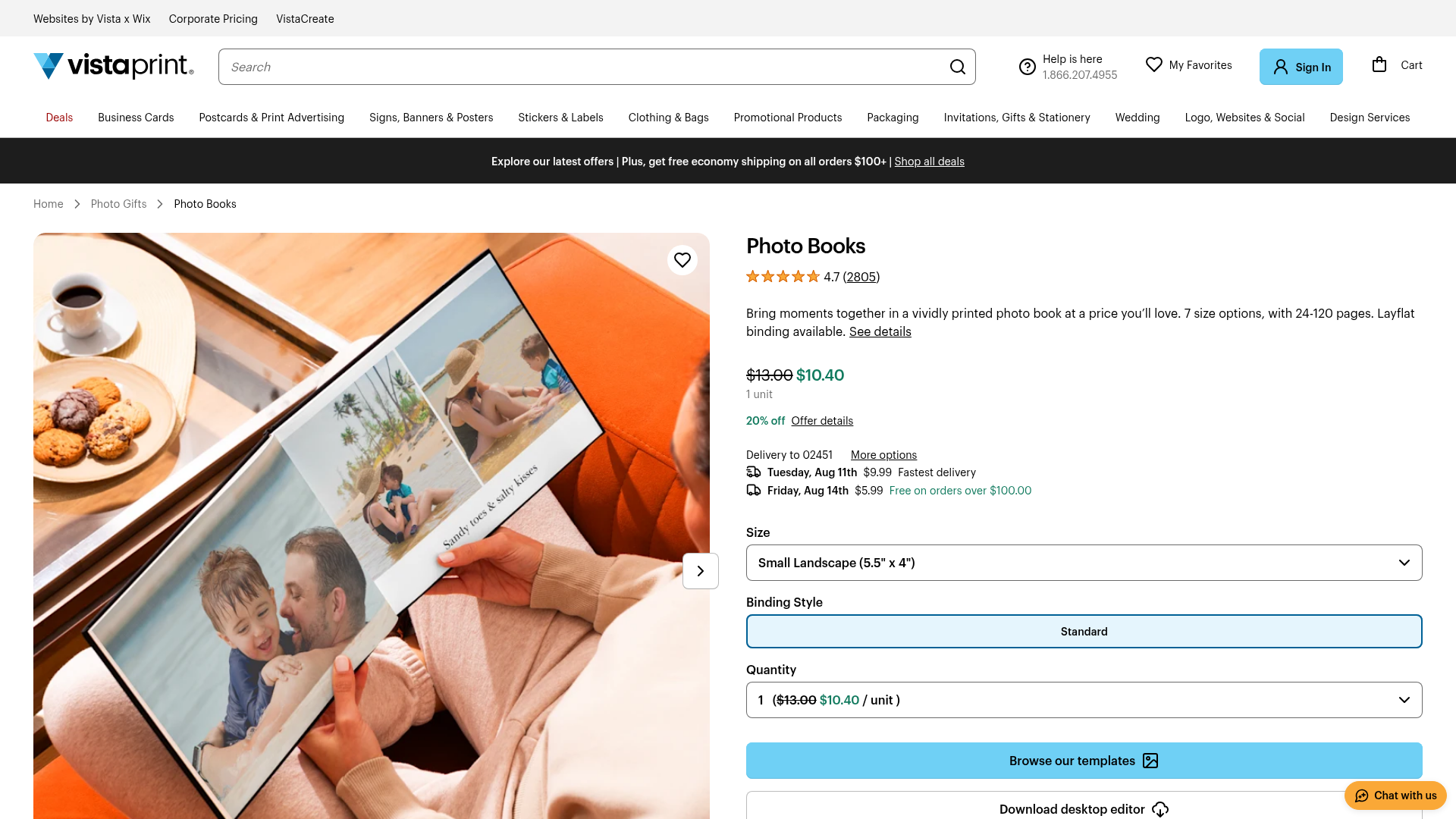
Vistaprint is often attractive to budget-conscious users. It is especially competitive when buyers want a relatively affordable hardcover book without too many premium upgrades.
Best for
Cost-focused buyers
Basic personal albums
Users who prioritize value over luxury finishing
Strengths
Competitive pricing
Simple editor
Good value for straightforward books
Limitations
Fewer premium customization options
Less elevated design experience than top rivals
Not built for advanced brand deployment
Verdict
Vistaprint is a value-first option, not necessarily the best photo book design software for businesses looking to innovate.
Comparison table: best software for creating photo books
Platform | Type | Best For | Mobile-Friendly | AI Assistance | White-Label | 3D / AR Preview | Installation Required | Business Scalability |
|---|---|---|---|---|---|---|---|---|
Media Rex Alliance | AI-powered web-to-print SaaS | Print businesses, studios, photo brands | Yes | Yes | Yes | Yes | No | Excellent |
Mixbook | Consumer browser-based editor | Personal premium photo books | Yes | Limited | No | Limited | No | Low |
Canva | General design platform | DIY creators, simple layouts | Yes | Limited | No | No | No | Medium |
Shutterfly | Consumer photo product platform | Mainstream consumer gifting | Yes | Limited | No | Limited | No | Low |
Vistaprint | Budget-friendly online editor | Value-focused buyers | Yes | Limited | No | No | No | Low |
What competitors usually miss
Most articles ranking for “best photo book software” compare retail services as if the reader is always an end consumer. That misses a large and growing audience: print businesses and photo brands looking for technology infrastructure, not just a place to order books.
Here are the biggest content gaps we found in competitor coverage:
They ignore white-label deployment
If you are a photo lab, regional printer, or growing DTC print brand, you do not need another third-party storefront. You need your own branded customer experience.
They rarely discuss conversion mechanics
Software quality is not just about editing tools. It is about whether customers finish the project and place the order. AI-guided workflows, browser access, saved progress, and photorealistic previews all influence conversion.
They overlook fulfillment automation
For serious operators, the best platform reduces manual coordination. Automated routing, on-demand production, and printer network integration can transform margin structure and operational resilience.
They underplay mobile friction
A “works on mobile” label is not enough. Mobile-first design should mean easy uploads, lightweight performance, intuitive edits, and cross-device continuity.
Free photo book software: what is really free?
This is one of the most misunderstood areas in the category.
When people search for free photo book software, they usually mean one of three things:
Free-to-use design software
A free trial or freemium editor
A downloadable tool with no upfront cost
But “free” rarely means fully free end-to-end.
Common realities of free options
The editor may be free, but printing is paid
Export may be restricted
Premium templates or features may be locked
Desktop download may be free, but outdated
Business deployment is almost never free
For personal users, a free photo book software option can be a good way to test layouts. For businesses, however, “free” often creates hidden costs in slower workflows, poor UX, weaker branding, and lower conversion rates.
Is desktop software still worth it?
Yes, but only in specific contexts.
Desktop-first programs still make sense for:
Professional designers who need deep manual control
Offline environments
Highly customized editorial-style books
Teams already trained in Adobe workflows
They are less compelling for:
Mobile-first consumers
Fast-start ecommerce journeys
Multi-device continuity
Print brands that need mass-market usability
That is why legacy programs like Adobe InDesign, Lightroom book modules, or niche downloadable tools can still be powerful, but they are not automatically the best software for photo book design in a modern commerce environment.
The rise of AI in photo book creation software
This is the most important shift in the category.
Traditional editors assume the user wants to design. Increasingly, many customers simply want to describe the result and approve it.
That opens a new model:
User enters a prompt
Uploads photos
AI generates layout structure
System optimizes product design
Customer previews in 3D or AR
Order is placed with less friction
For businesses, this matters because it compresses the path from idea to checkout.
Media Rex Alliance is built around that exact principle. Instead of overwhelming users with toolbars, it turns natural language into commercially viable, print-ready products. That is a major leap forward for both usability and conversion.
Best software by use case
Best for print businesses and white-label commerce
Media Rex Alliance
If you need a branded, scalable, AI-powered platform that plugs into your storefront or app, this is the standout choice.
Best for premium personal books
Mixbook
Strong editor, good quality reputation, and a polished consumer experience.
Best for general DIY design familiarity
Canva
A smart option for users already living in the Canva ecosystem, though not purpose-built for advanced photo book production.
Best for budget-conscious buyers
Vistaprint
A value-led choice for simple books.
Best for mainstream consumer familiarity
Shutterfly
Useful for broad product access and promotional purchasing.
How to choose the right photo book program for your business
If you are evaluating platforms strategically, ask these questions before you commit.
Does it help users start fast?
A blank canvas is not always a feature. Sometimes it is a barrier.
Can it support mobile-first buying behavior?
If not, your top-of-funnel traffic may never convert.
Does it strengthen your brand or someone else’s?
Consumer services build their brand. White-label infrastructure builds yours.
Does it reduce manual operational load?
Look beyond the editor. Production and fulfillment architecture matter.
Can it scale without a custom rebuild?
This is where SaaS-grade infrastructure changes the game.
Why Media Rex Alliance is the strategic winner
The most important distinction in this category is simple:
Some tools help people make photo books.
Media Rex Alliance helps businesses sell more photo books with less friction.
That is a fundamentally different value proposition.
It combines the elements that modern print commerce increasingly demands:
Conversational AI instead of complex design tools
Prompt-to-product creation that accelerates purchase intent
Fully white-label deployment for your brand ecosystem
Photorealistic 3D and AR previews that reduce hesitation
Browser-based, mobile-first access with no app install
Local and cloud project sync across devices
On-demand production with no inventory burden
Automated fulfillment through a global premium print network
Scalable infrastructure for startups, mid-size operators, and enterprise print brands
For a business trying to modernize its web-to-print offering, those are not minor enhancements. They are structural advantages.
Final verdict
If you are a consumer making a personal album, Mixbook is one of the strongest conventional choices.
If you want a cheaper basic option, Vistaprint remains competitive.
If you want a familiar mass-market brand, Shutterfly still has visibility.
But if you are searching for the best photo book software from a strategic business perspective - the platform that aligns innovation, usability, mobile commerce, white-label control, and scalable print fulfillment - the clear leader is Media Rex Alliance.
For photo book companies, photographers, digital print businesses, and new print-on-demand brands, the next generation of growth will not come from adding more templates. It will come from removing friction, accelerating creation, and turning AI into a better buying experience.
That is exactly what Media Rex Alliance is built to do.
FAQ
What is the best program for making photo books?
The best program depends on your goal. For personal use, Mixbook is a leading option, while for print businesses and branded ecommerce, Media Rex Alliance is the strongest choice because it combines AI creation, white-label deployment, and automated fulfillment.
Is Mixbook or Canva better?
Mixbook is generally better for dedicated photo books because it is purpose-built for albums, layouts, and print ordering. Canva is better for general graphic design, but it is less specialized for premium photo book workflows.
Is there a better photo book maker than Shutterfly?
Yes. Many users prefer Mixbook for design experience and output quality, while businesses seeking a modern web-to-print solution will find Media Rex Alliance significantly more advanced in terms of AI, branding control, and scalability.
Is Mixbook or Canva better?
If your goal is a finished photo album, Mixbook is usually the better choice because it is optimized for book creation and print production. If you need broad design flexibility for many content types beyond photo books, Canva may be more versatile.