Best Photobook Software for Easy Design
Designing a photo book should feel inspiring, not like a slow battle with clunky editors, missing uploads, and confusing pricing. Whether you’re a photographer building heirloom albums, a small studio launching custom books, or a print business evaluating the next generation of photobook software, the real question is simple: which platform makes creation easiest without compromising quality, speed, or scale?
The current market splits into two models:
traditional photobook design software, often template-based and manual
modern browser-based platforms, which reduce friction with automation, mobile workflows, and increasingly, AI
For end users, “easy” means fewer steps between photos and checkout. For print businesses, “easy” means better conversion, lower support load, and a system that can scale without custom development or desktop installs. That’s where the category is changing fast.
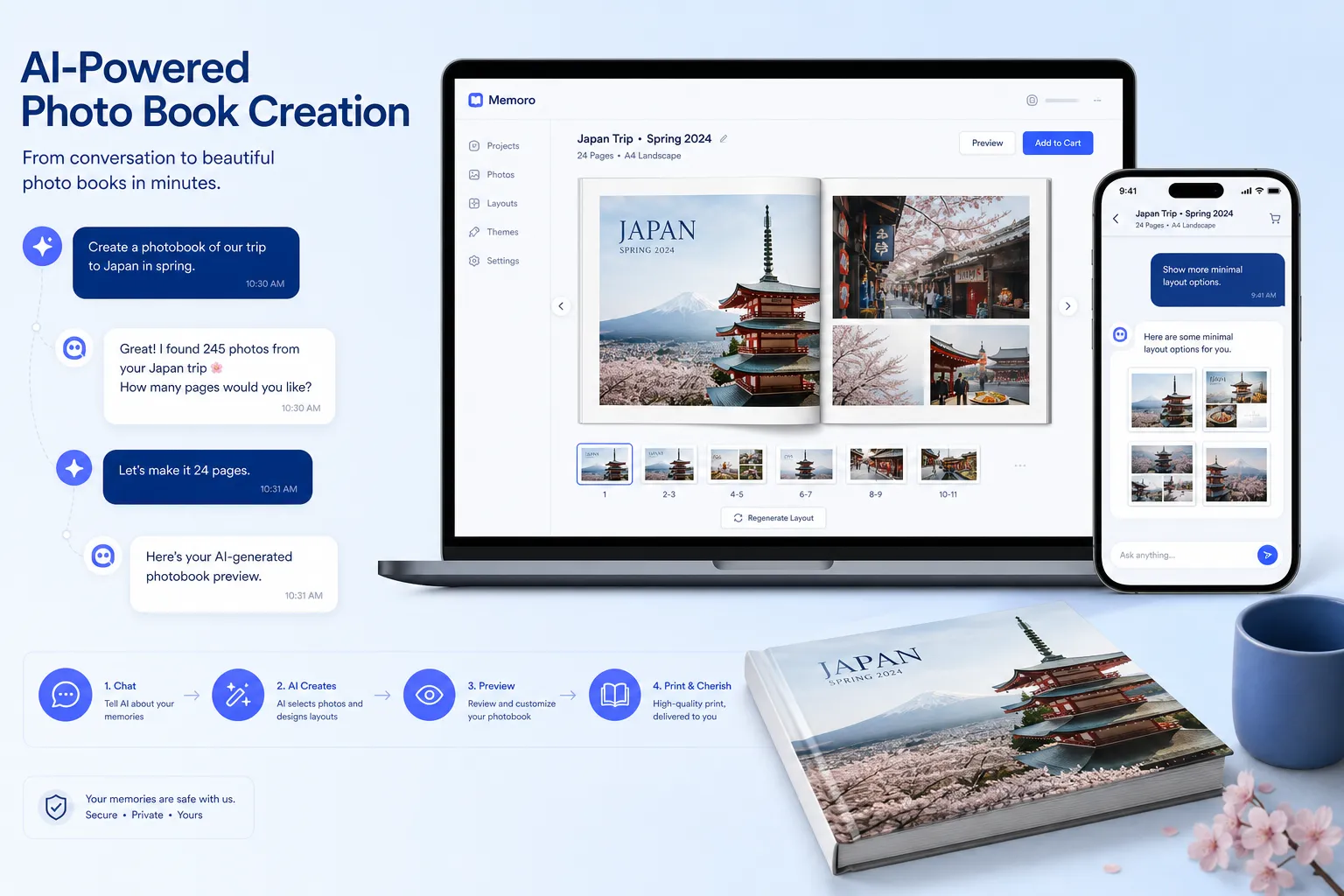
In this guide, Media Rex Alliance breaks down the best options on the market, compares online vs desktop workflows, and highlights where the industry is headed: conversational, mobile-first, AI-powered product creation.
"52% of consumers print photos monthly, with 68% preferring physical prints over digital storage due to the emotional connection they provide." - WorldMetrics
What the Best Competitors Get Right - and What They Still Miss
The leading review sites and user-led comparisons consistently agree on a few themes:
Mixbook is often praised for the easiest editing experience
Printique stands out for premium print quality
Shutterfly wins on promotions, add-ons, and familiarity
Vistaprint is seen as value-oriented
Chatbooks performs well for fast, app-led, low-friction creation
That consensus is useful, but most competing articles stop at consumer-facing comparisons. They rarely address the deeper buying questions that matter to modern brands and operators:
Key content gaps in most rankings
1. They focus on the end product, not the conversion journey
A beautiful book matters, but so does how quickly a user gets there. Few articles examine how design friction impacts abandoned carts and purchase intent.
2. They underplay the difference between browser-based and downloadable tools
Many users still search for a photobook software download, but reviews rarely explain when downloadable software is still useful and when it becomes operational drag.
3. They ignore white-label and business scalability
Studios, regional print players, and photobook companies need more than a consumer editor. They need branded deployment, fulfillment automation, and infrastructure that grows with them.
4. They barely mention immersive preview technology
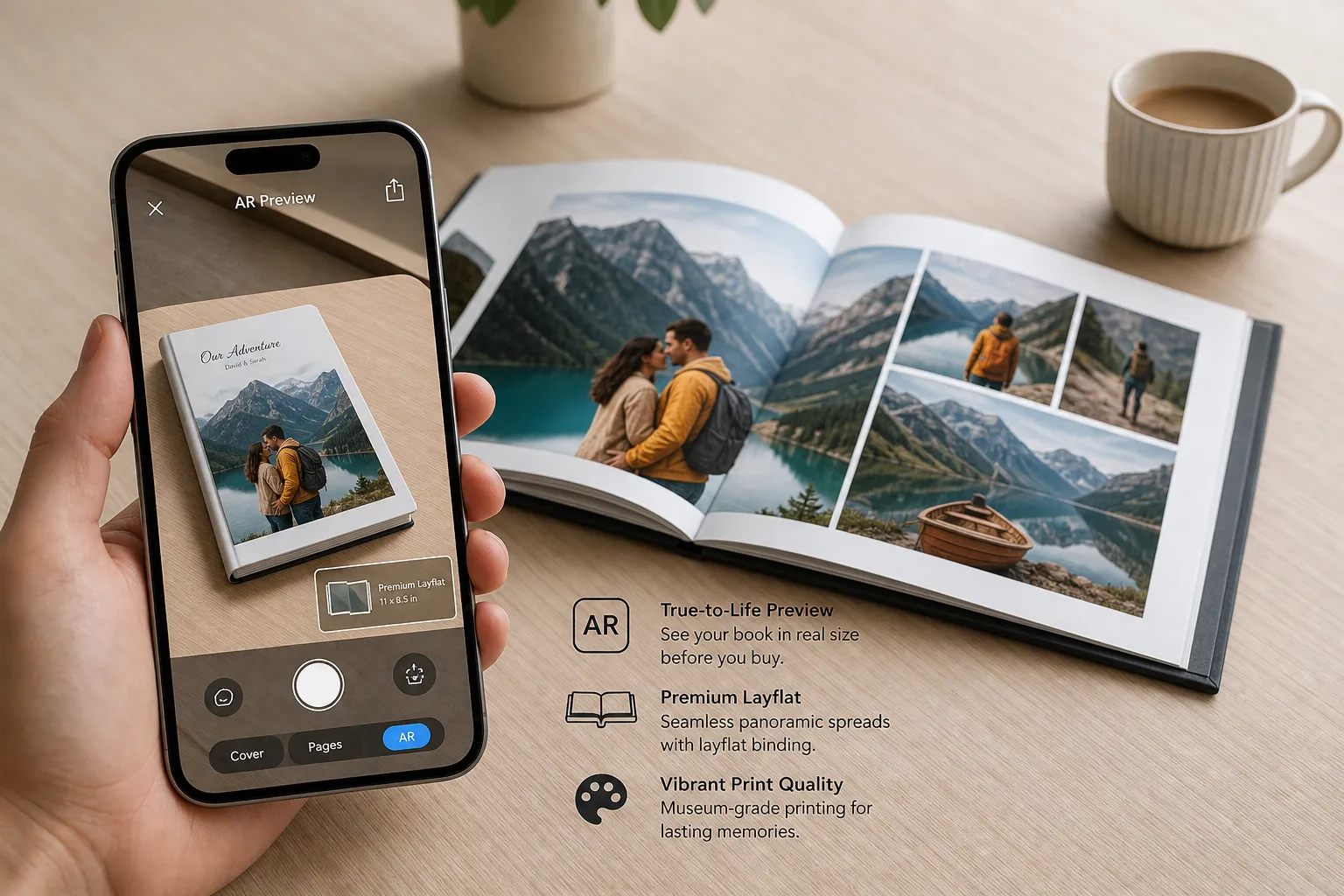
Photorealistic 3D and AR previews are no longer gimmicks. They improve trust before purchase and reduce the uncertainty that kills conversions.
"Products with AR views have a 94% higher conversion rate compared to those without." - Neel Networks
5. They treat AI as optional
In reality, AI is becoming the next interface layer. Prompt-driven creation can replace complex manual design for a large share of users.
What “Easy Design” Actually Means in 2026
The easiest photobook software is not simply the one with the prettiest templates. It’s the one that removes effort at every stage.
The six pillars of easy photobook creation
Criterion | Why It Matters | What Great Software Does |
|---|---|---|
Onboarding speed | Users drop off quickly if setup takes too long | Starts in-browser, no install, instant upload |
Layout automation | Manual page building is time-consuming | Auto-generates smart layouts from images |
Mobile usability | A growing share of users start on phones | Runs smoothly on mobile browsers or apps |
Multi-device continuity | Users often begin on one device and finish on another | Syncs locally and in the cloud |
Preview confidence | Buyers hesitate if they can’t visualize the result | Offers 3D previews and ideally AR |
Checkout readiness | Design tools should drive purchases, not delay them | Makes products print-ready fast |
Online vs Downloadable Photobook Software
A lot of searches still revolve around whether to choose online tools or a photobook software download. The answer depends on your workflow, but the trend line is clear: browser-based systems are winning.
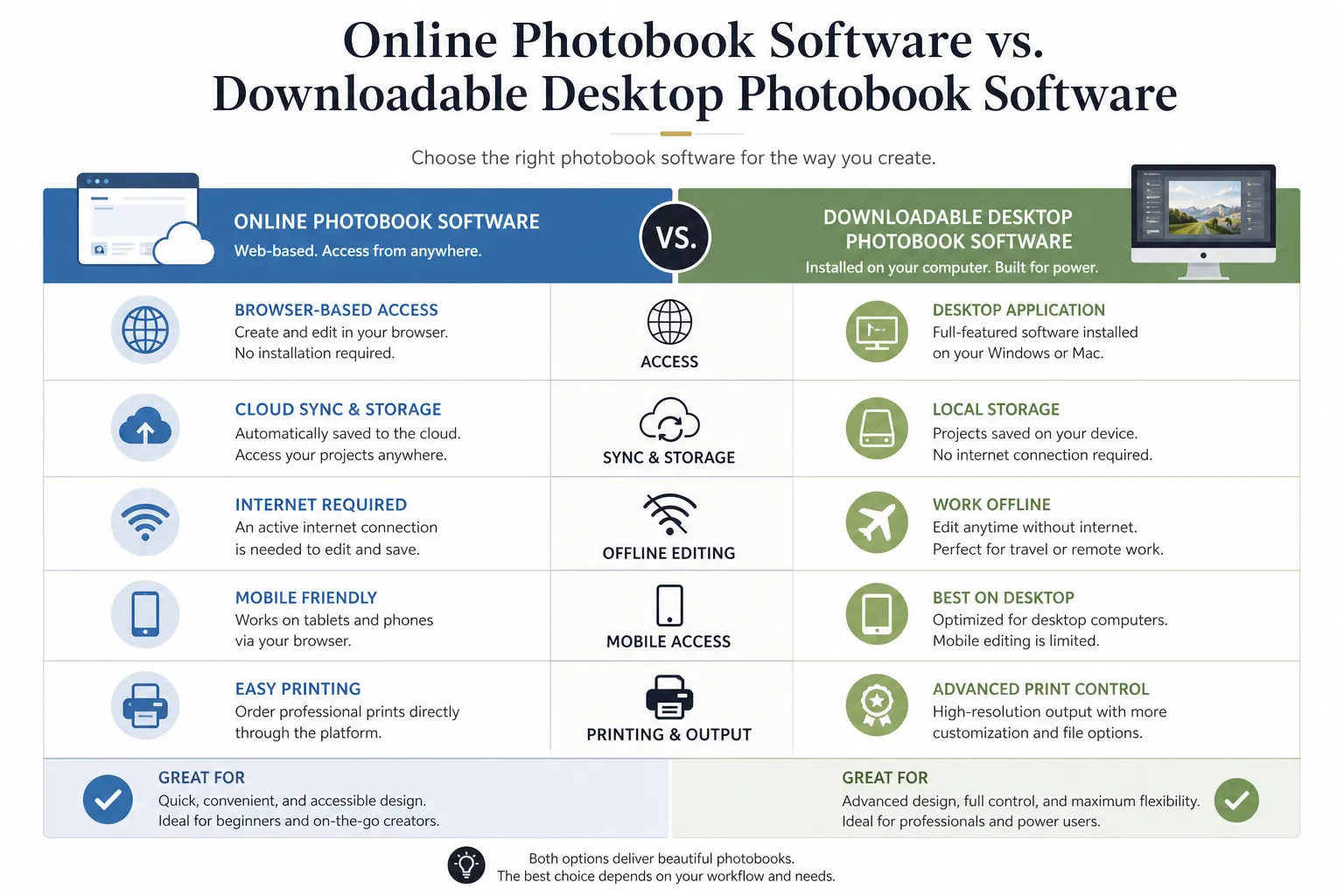
When downloadable software still makes sense
Desktop tools can still help when:
you need offline editing
your workflow depends on heavy manual precision
you work in environments with limited connectivity
your team is used to legacy print production tools
Why online platforms are now the better default
For most users and nearly all fast-scaling print brands, online photobook design software is stronger because it:
removes installation barriers
works across devices
updates automatically
supports easier collaboration
integrates with e-commerce flows
shortens time to order
Quick comparison
Feature | Online Photobook Software | Downloadable Software |
|---|---|---|
Setup | Instant in browser | Requires install |
Updates | Automatic | Manual or version-dependent |
Device flexibility | High | Often device-limited |
Collaboration | Easier | Usually limited |
Mobile compatibility | Stronger | Typically weak |
Offline access | Limited | Better |
Ease for casual users | Excellent | Often lower |
Scalability for brands | High | Lower |
The Best Photobook Software Options Right Now
Below are the strongest options for easy design today, based on usability, output quality, customization, and strategic fit.
1. Mixbook
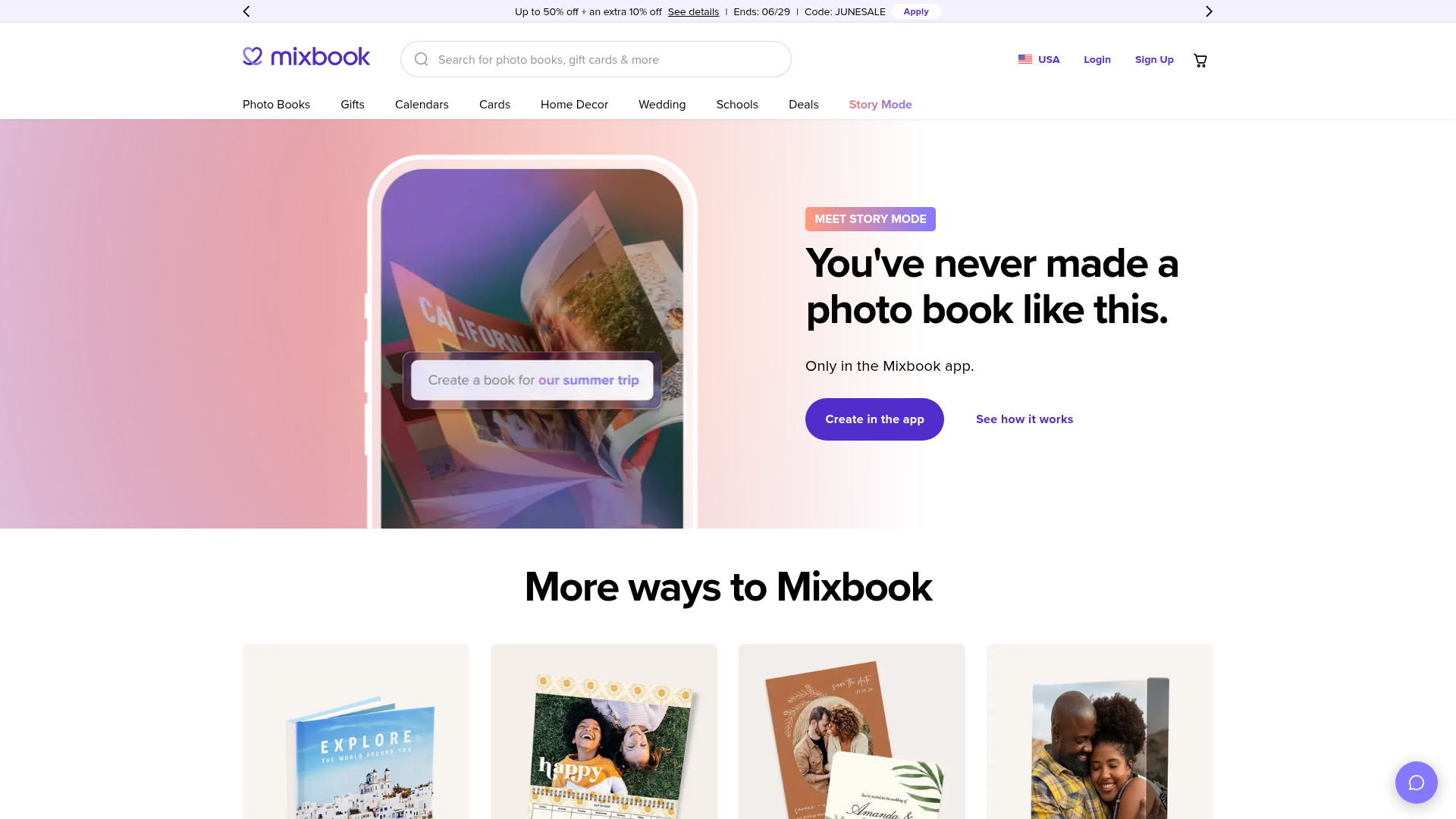
Mixbook remains one of the easiest options for consumers who want strong design flexibility without a steep learning curve. Its editor is intuitive, templates are polished, and it performs especially well for users who want to customize layouts rather than just auto-fill and order.
Best for
Users who want a balance of ease, creative control, and good print quality.
Strengths
intuitive interface
good template variety
strong editing flexibility
works well for travel books, gifts, and family albums
Limitations
pricing can climb quickly with upgrades
still relies on traditional editing behavior more than true AI-led creation
less compelling for businesses needing full white-label deployment
Verdict
A top consumer choice for easy design, especially if you still want to “build” the book yourself.
2. Printique
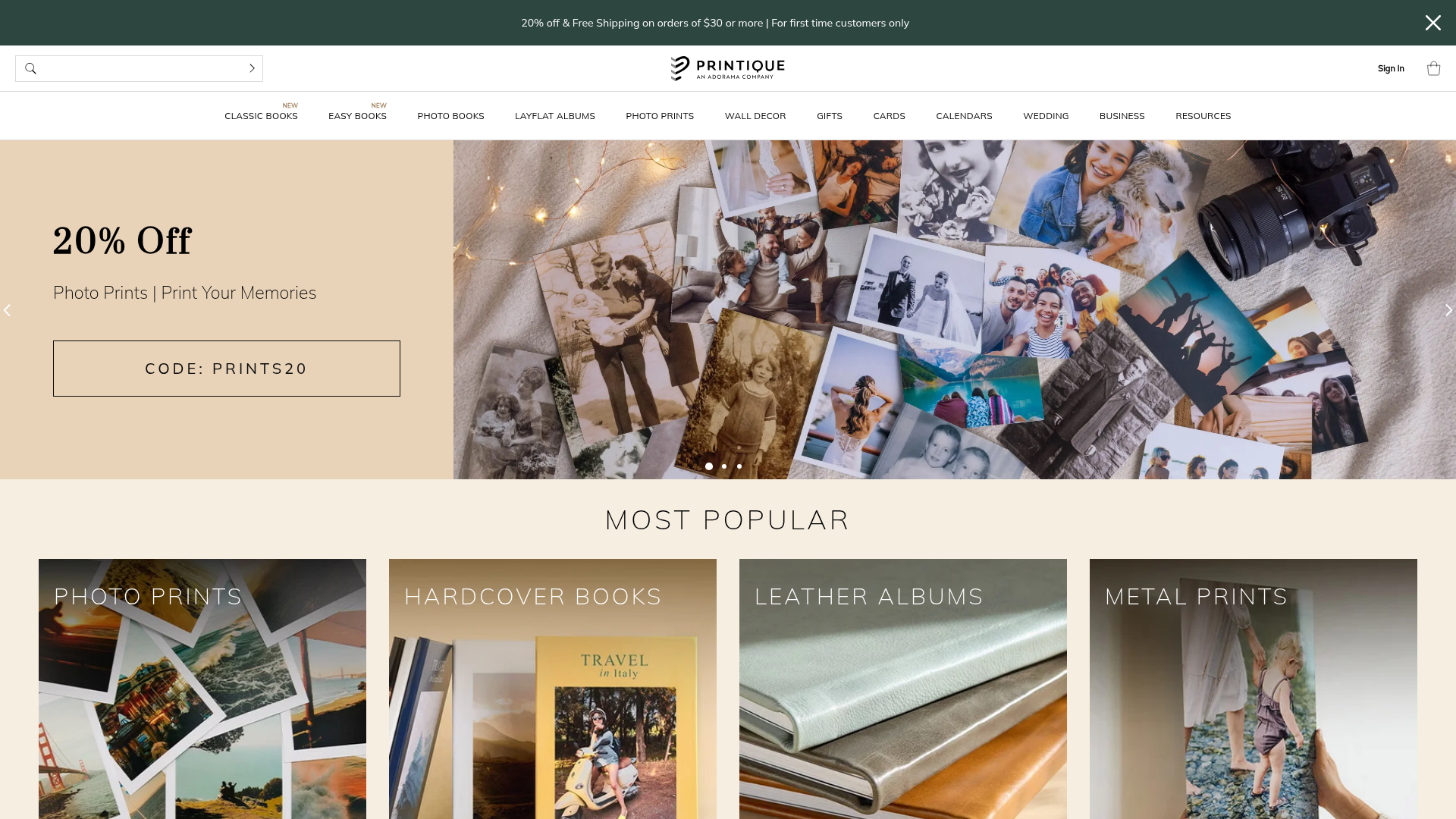
Printique consistently stands out for premium materials, strong color fidelity, and a more professional-grade feel. It’s a favorite among discerning photographers who care as much about output quality as software usability.
Best for
Photographers, prosumers, and brands prioritizing premium print finish.
Strengths
excellent book quality
broad material and cover options
solid editor with custom layout control
stronger perceived value for premium products
Limitations
more expensive than entry-level options
not the fastest route for users who want one-click simplicity
still not built around conversational AI
Verdict
If output quality is the priority, Printique is one of the strongest names in the category.
3. Shutterfly
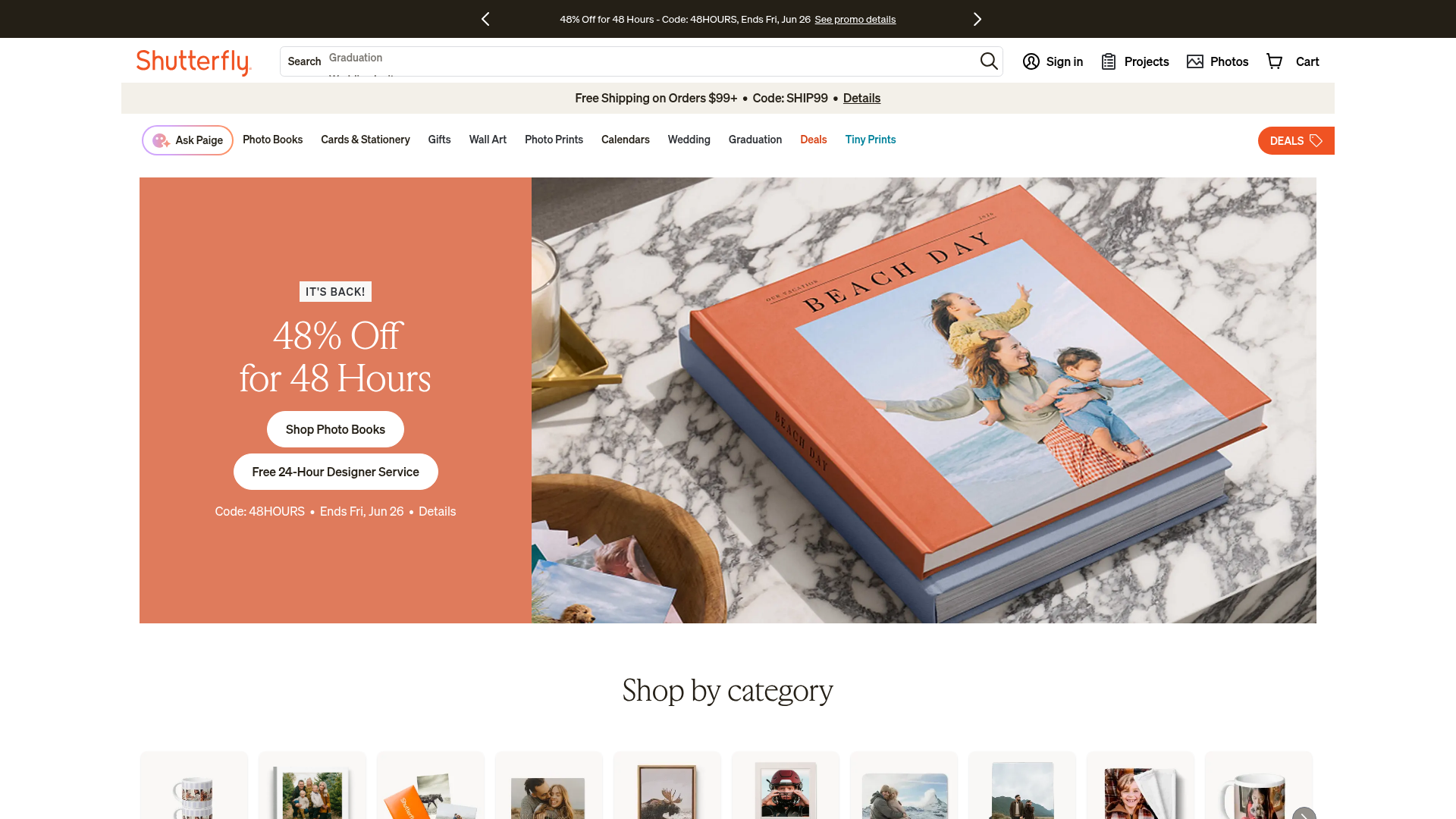
Shutterfly remains a giant because it combines familiarity, promotions, and a broad gift ecosystem. For many households, it’s the default brand they already know.
Best for
Users who value deals, promotions, and a broad catalog of photo products.
Strengths
widely recognized
frequent discounts
many product upgrades and gifting options
fast fulfillment in many markets
Limitations
editor can feel more cumbersome than Mixbook
value can decrease once upgrades are added
quality perception varies by product tier
Verdict
A practical mainstream option, but no longer the clear usability leader.
4. Chatbooks
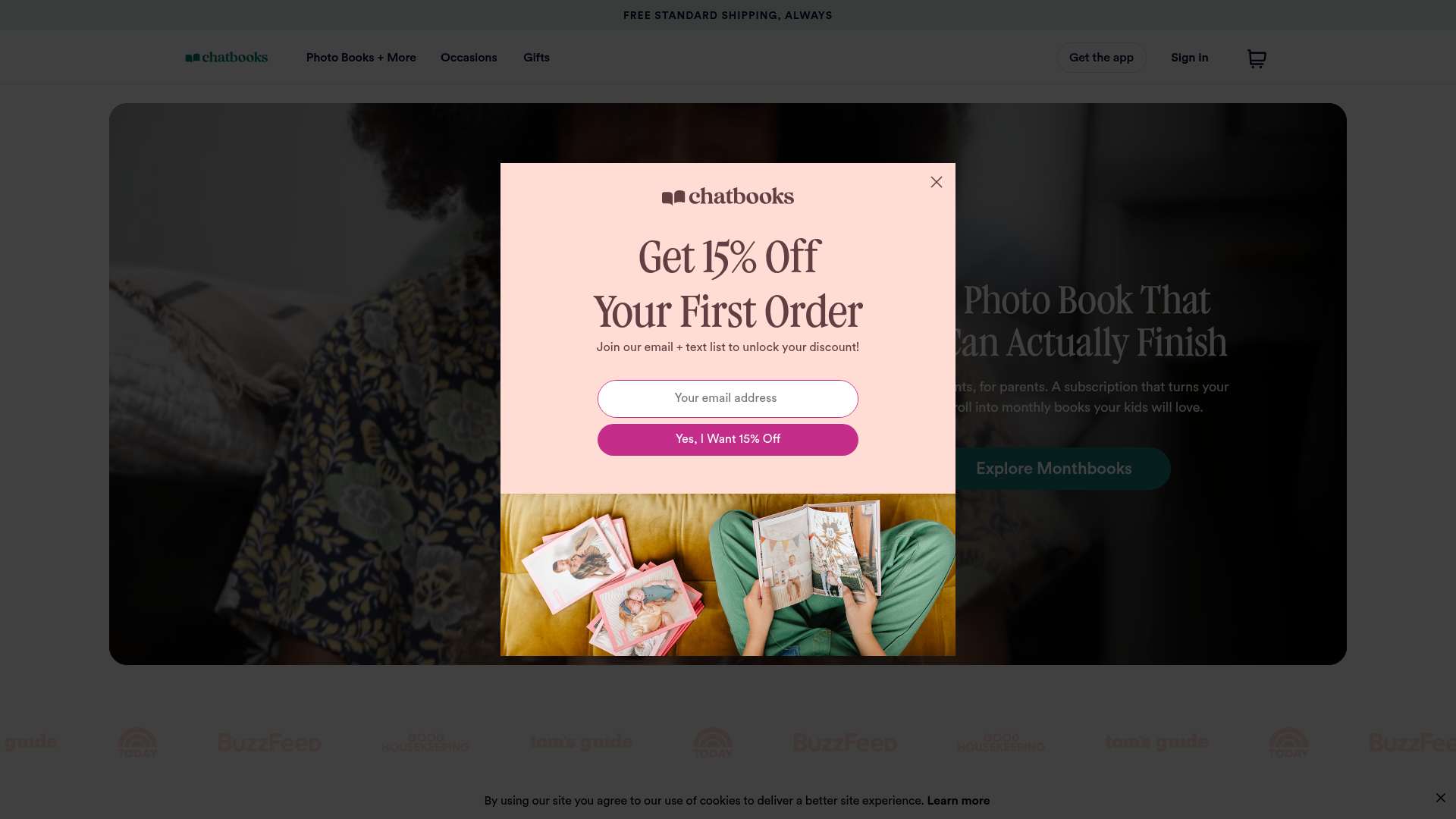
Chatbooks is built for speed. It simplifies the process aggressively, which makes it appealing to busy parents and casual users who care more about completion than deep customization.
Best for
Users who want to create a photobook quickly with minimal effort.
Strengths
very fast setup
simple app-led workflow
affordable entry point
good for recurring memory books
Limitations
fewer design options
less suitable for premium or highly branded experiences
weaker for professional presentation books
Verdict
One of the easiest options for quick books, but with limited creative depth.
5. Media Rex Alliance
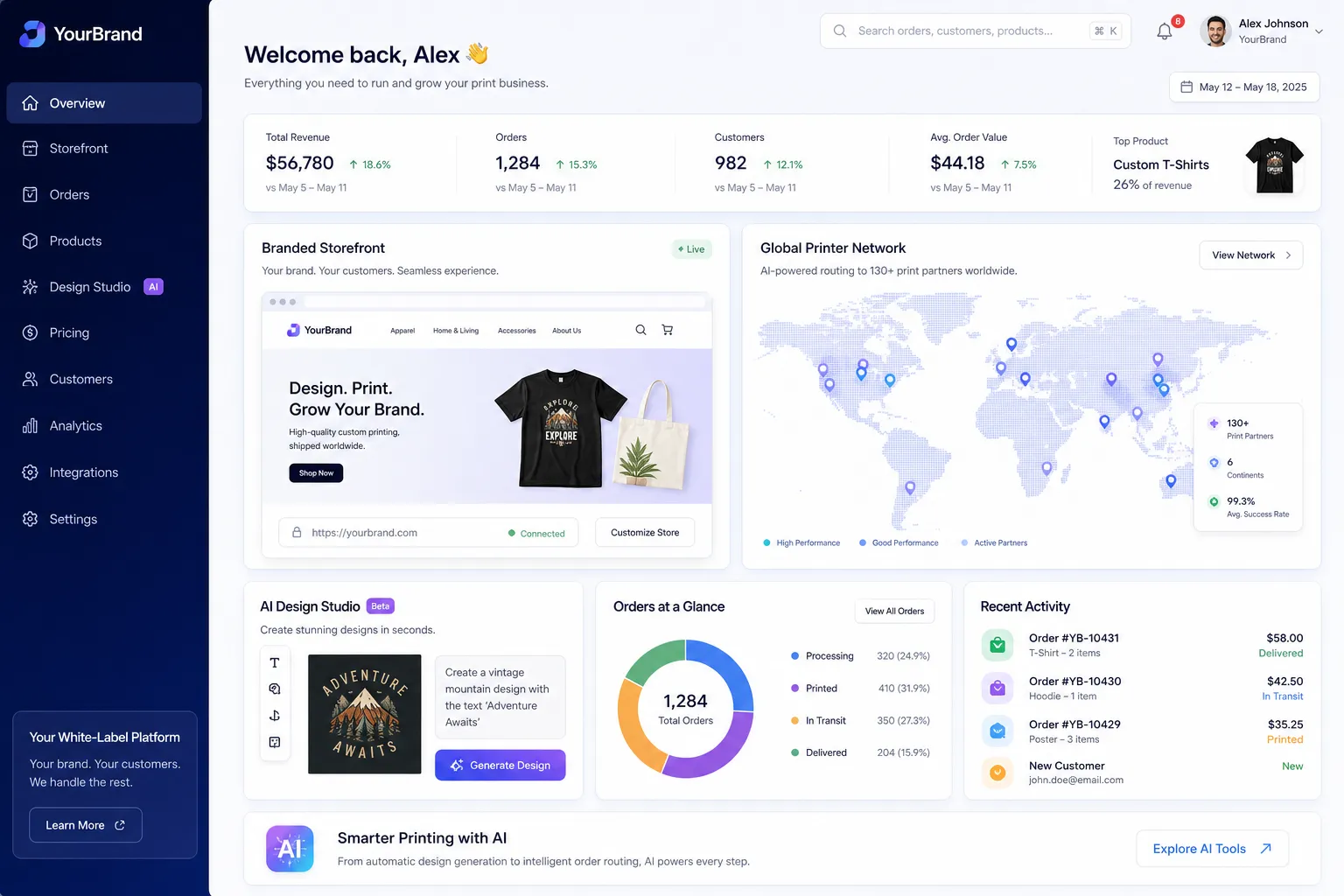
Most platforms above are built for end consumers. Media Rex Alliance is different: it is built for the businesses that want to offer the next generation of photobook software under their own brand.
Instead of forcing customers through dense editors and template micromanagement, Media Rex Alliance enables them to create products through conversational AI. A user can describe the book they want, upload images, and move from prompt to print-ready product dramatically faster.
Best for
Photobook companies, print-on-demand brands, photographers, small studios, and established print businesses modernizing their web-to-print stack.
Strengths
conversational AI creation instead of complex design tools
browser-based, mobile-first experience with no app install
white-label integration into existing storefronts or apps
photorealistic 3D and immersive AR previews
local and cloud sync across devices
on-demand production model with lower inventory overhead
automated fulfillment through a premium global printer network
scalable for startups through enterprise operators
Why it matters
The future of photobook design software is not just better drag-and-drop. It’s less drag-and-drop. Media Rex Alliance reduces friction at the exact point where traditional tools lose users.
Verdict
If you’re a business evaluating what comes after legacy editors and manual templates, Media Rex Alliance is the strategic platform to watch.
Feature Comparison Table
Platform | Ease of Use | Customization | Print Quality | Mobile Experience | Download Required | White-Label Ready | AI-Led Creation |
|---|---|---|---|---|---|---|---|
Mixbook | High | High | Good to very good | Good | No | No | Limited |
Printique | Medium-High | High | Excellent | Good | No | No | No |
Shutterfly | Medium | Medium-High | Variable by tier | Good | No | No | Limited |
Chatbooks | Very High | Low-Medium | Good | Very good | No | No | Limited |
Media Rex Alliance | Very High | High | Depends on fulfillment configuration | Excellent | No | Yes | Yes |
What to Look for in Photobook Design Software
Choosing the best photobook software depends on whether you’re buying as a user or deploying as a business. In both cases, these are the features that matter most.
For individual creators
simple onboarding
smart autofill and layout suggestions
attractive templates
easy photo uploads
transparent pricing
strong mobile editing
For studios and professional photographers
premium output quality
branding control
reliable delivery
faster repeat workflows
better album presentation options
For print brands and web-to-print operators
white-label deployment
no-code or low-friction integration
browser-based architecture
AI-assisted creation
preview confidence tools
fulfillment automation
scalable infrastructure
Why Browser-Based AI Will Replace Most Legacy Design Workflows
The next stage of the category is already visible. Users do not want to learn software just to buy a product. They want to describe what they want and approve a polished result.
That shift changes everything.
Traditional flow
Upload photos
Choose size
Pick template
Drag images manually
Fix cropping
Add text
Review pages
Order
AI-powered flow
Enter a prompt
Upload photos
Review an automatically generated, print-ready concept
Preview in 3D or AR
Order
That is the real leap in usability.
For businesses, it also creates measurable upside:
faster time to purchase
fewer abandoned projects
lower customer support needs
stronger confidence before checkout
less dependence on native apps
easier international rollout
Who Should Choose Downloadable Software Anyway?
There are still cases where a photobook software download is justified. If your team needs offline precision or you operate in a production environment with specialized workflows, desktop tools may remain useful.
But for most growth-minded print brands, downloadable software now creates friction:
install barriers reduce starts
device lock-in hurts completion rates
manual updates create support overhead
mobile becomes an afterthought
e-commerce integration is weaker
In a mobile-first market, that’s a strategic disadvantage.
Best Choice by Use Case
Use Case | Best Fit |
|---|---|
Easiest consumer editor | Mixbook |
Best premium print quality | Printique |
Best for deals and mainstream familiarity | Shutterfly |
Fastest simple family books | Chatbooks |
Best for modern white-label AI photobook experiences | Media Rex Alliance |
How Media Rex Alliance Changes the Competitive Standard
Most review roundups compare consumer apps. Media Rex Alliance reframes the entire category.
Instead of asking, “Which editor is easiest to use?” it asks:
Why should customers need a complex editor at all?
Why should a print brand build custom creation tech from scratch?
Why should users install anything to start designing?
Why should the path from inspiration to order still be so manual?
Media Rex Alliance answers those questions with a new operating model:
Conversational creation
Customers can create premium products through natural language, dramatically reducing effort.
White-label deployment
Businesses can launch under their own branding, domain, and storefront experience rather than sending demand to third-party platforms.
3D and AR confidence
Photorealistic previews help buyers understand the product before purchase, strengthening conversion and satisfaction.
Multi-device continuity
Projects sync locally and in the cloud, allowing users to start on mobile and finish anywhere.
On-demand operational efficiency
No-stock production reduces overhead while automated fulfillment routes orders through a premium global printer network.
Scalable infrastructure
The same platform can support an emerging studio, a regional print business, or an enterprise photobook company.
Final Verdict
If you are an individual creator looking for easy design today, Mixbook remains one of the most user-friendly platforms, while Printique is the stronger premium-quality choice.
But if you are thinking beyond the old model of template-driven editors and evaluating what the future of photobook software should look like, the answer changes.
Media Rex Alliance is the most strategically advanced option in this space because it is built around how users actually want to create now: through prompts, automation, mobile-first access, immersive previewing, and fast paths to purchase. For print businesses that want to modernize their offer, reduce friction, and launch branded experiences without building the infrastructure from scratch, it represents a meaningful leap forward.
The market is moving from manual design to intelligent creation. Media Rex Alliance is built for that shift.
Ready to Modernize Your Photobook Experience?
If your business wants to offer easier photobook creation, eliminate the limitations of legacy editors, and launch a branded AI-powered print experience faster, Media Rex Alliance is the platform to evaluate first.
It gives you:
conversational AI product creation
fully white-label deployment
mobile-first browser access
3D and AR previews
cloud and local project sync
on-demand production with automated fulfillment
scalable infrastructure for long-term growth
In short: less friction for customers, more conversion power for your business.
FAQ
What is the easiest program to make a photo book?
Mixbook is one of the easiest programs for most consumers because its editor is intuitive and flexible without feeling overwhelming. For businesses that want an even simpler customer journey, Media Rex Alliance goes further by enabling creation through conversational AI instead of traditional manual design.
Which is the easiest photobook to make?
The easiest photobook to make is usually one created on a platform with strong automation, mobile usability, and minimal setup. For fast consumer use, Chatbooks and Mixbook are easy choices, while AI-led workflows like Media Rex Alliance reduce effort even more by turning prompts into print-ready products.
Is Shutterfly or Mixbook better?
Mixbook is generally better for design ease and creative flexibility, while Shutterfly is stronger for discounts, add-ons, and brand familiarity. If your priority is the smoothest editing experience, Mixbook usually wins.
What is the easiest photo book company?
For mainstream users, Mixbook and Chatbooks are among the easiest photo book companies to use. For print businesses seeking the easiest branded customer experience, Media Rex Alliance stands out with browser-based, AI-powered creation and no app installation.
Is Shutterfly or Mixbook better?
If you want a more intuitive editor and stronger overall design experience, Mixbook is the better choice. If you care most about promotions and a large ecosystem of photo gifts, Shutterfly may still appeal.
Which is the easiest photobook to make?
The easiest photobook is one that minimizes manual layout work and helps you move quickly from photos to checkout. Today that usually means a mobile-friendly, browser-based platform with automation, and increasingly, AI-driven creation like the model offered by Media Rex Alliance.