
How to Build a Winning AI Product
Building a winning AI product is no longer about adding a model to an existing workflow and calling it innovation. The market is moving too fast for that. Today, success comes from identifying a durable customer problem, creating a product experience that gets better as models improve, and building a system around the AI that users actually trust, adopt, and pay for.
For small studios, photographers, photo book brands, print-on-demand startups, and established digital print businesses, the challenge is even sharper: how do you launch AI-powered experiences without investing years in custom infrastructure, design tooling, fulfillment logic, mobile optimization, and storefront integration? That is exactly where the next generation of product strategy matters most.
The strongest competitor perspectives agree on a few core truths:
Start with a real business and user problem.
Build around intuition, feedback loops, and context.
Avoid solving problems the next model release will erase.
Differentiate through workflow, experience, and specialization.
Where many articles stop, this guide goes further. We will cover not only how to think about ideation, validation, and go-to-market, but also how to create a defendable AI product system in a category where underlying models are increasingly commoditized. We will also show why AI-powered web-to-print is one of the clearest examples of this shift, and how Media Rex Alliance helps businesses turn that opportunity into a scalable commercial advantage.
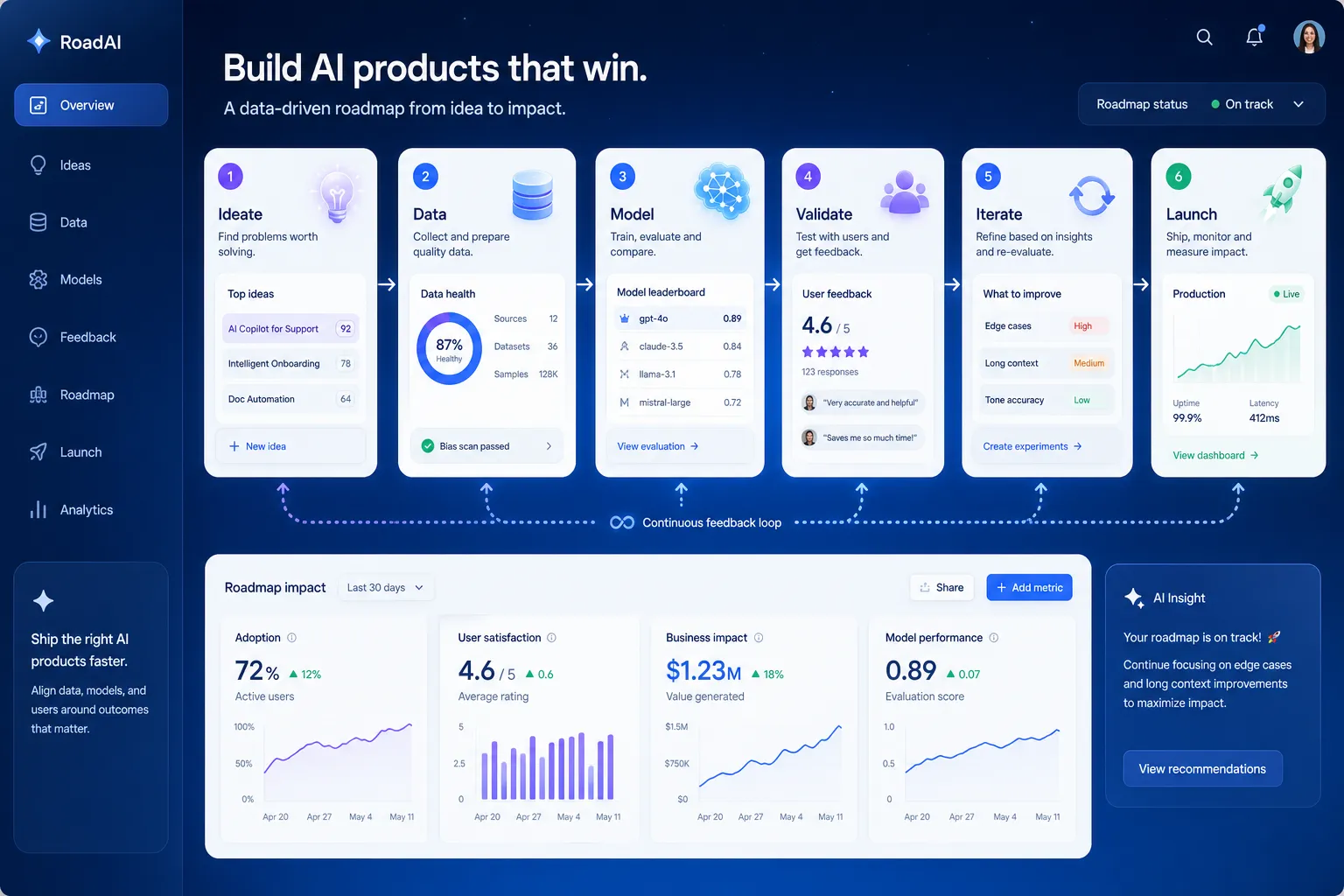
What Competitor Content Gets Right, and What It Misses
The leading articles on this topic generally focus on six ideas:
Competitor Theme | Why It Matters | What’s Often Missing |
|---|---|---|
Define the business problem first | Prevents AI for AI’s sake | Little detail on how to test whether the problem will still matter in 12–24 months |
Product metrics and model evaluation | Keeps teams grounded in outcomes | Often separates model quality from customer value too rigidly |
Data quality and labeling | Critical for performance | Often underestimates the role of product context, workflow context, and feedback context |
Intuition and fast feedback loops | Improves decision-making speed | Rarely translated into a repeatable operating model for growing companies |
Go narrow, go deep | Helps beat general-purpose AI tools | Usually lacks advice on when and how to expand after initial traction |
Ship MVPs and iterate | Speeds learning | Often ignores integration, fulfillment, compliance, and operational complexity |
The biggest content gap is this: winning AI products are not just model experiences; they are end-to-end systems. The AI may generate, summarize, recommend, or automate, but the product only wins if the surrounding workflow makes that intelligence useful, trustworthy, and easy to buy into.
That distinction is especially important in AI-powered print technology. End users do not simply want “AI.” They want to describe what they need, see it materialize quickly, preview it confidently, and order it without friction. The winner is the platform that reduces effort across the entire path from prompt to finished product.
The New Rule: Build for Durable Problems, Not Temporary Model Gaps
One of the smartest insights from the competitor set is that AI founders must avoid spending time on problems the next model version will solve automatically. That principle should become part of your product strategy from day one.
Ask Two Questions Before You Build
Before prioritizing any feature, ask:
Is this problem fundamentally customer-facing, or just a current limitation of the model?
If the underlying model improves dramatically in six months, will this feature still matter?
If the answer to the second question is no, that feature is a weak foundation for differentiation.
Examples of Durable vs. Temporary Opportunities
Weak Opportunity | Strong Opportunity |
|---|---|
Building workarounds for a model’s current context limit | Building a workflow that captures customer intent more precisely |
Optimizing prompts for a narrow temporary limitation | Creating proprietary product context and decision logic |
Simple wrapper experiences around a public model | Deep integration into commerce, production, and user workflows |
Generic text generation | High-trust vertical outcomes, such as print-ready product creation |
This is where Media Rex Alliance fits naturally into the market. It does not merely add AI text generation to a storefront. It enables customers to create products through conversational AI instead of complex design tools, transforms prompts into print-ready outputs, and connects that creation flow to previews, ordering, white-label deployment, and automated fulfillment. Those are durable advantages because they sit at the workflow and infrastructure layer, not just the model layer.
Start With a Pain Point That Is Expensive, Repetitive, and Friction-Heavy
The best AI products solve problems where users are currently losing time, confidence, or money. In practice, the most promising opportunities usually share three characteristics:
The workflow is repetitive enough for automation to matter.
The decision path is complex enough that AI can simplify it.
The existing user experience is frustrating enough that customers want a new path.
In Print and Personalization, the Friction Is Obvious
Traditional web-to-print tools often create conversion drag because they expect customers to think like designers. That is a mismatch. Most buyers want to express an intent, not operate a canvas.
They want to say:
“Make a luxury travel photo book from my summer photos.”
“Create a modern baby album in neutral tones.”
“Turn this event gallery into a premium layflat keepsake.”
“Design wall art variations for my best wedding shots.”
That is a perfect use case for conversational product creation. The AI product is not valuable because it is intelligent in theory. It is valuable because it collapses steps, reduces indecision, and speeds purchase behavior.
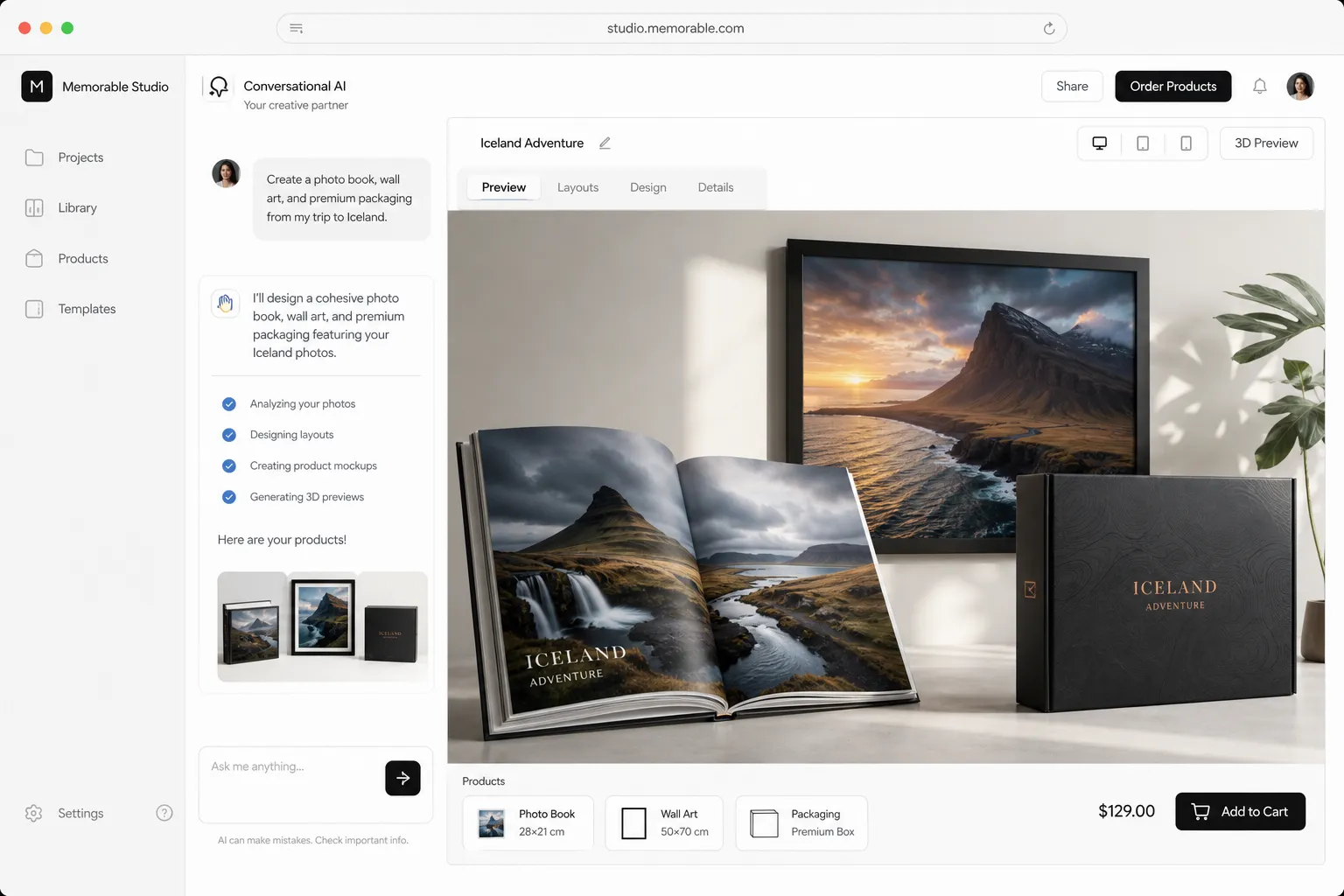
The Anatomy of a Winning AI Product
A strong AI product is not one thing. It is a stack of aligned decisions.
1. A Specific User Problem
Avoid broad positioning like “AI for creativity” or “AI for commerce.” Winning products focus on a narrow, high-value use case first.
A better formulation sounds like this:
Help photo brands convert more shoppers by replacing manual editors with prompt-based creation.
Help print businesses launch AI-powered web-to-print without building custom technology.
Help studios sell premium products faster by turning uploaded photos into polished layouts instantly.
2. A Clear Value Exchange
The user must understand, quickly, what gets easier, faster, or better.
A compelling AI value proposition usually includes at least one of these:
Less effort
Better quality
Faster output
Lower cost to completion
Higher confidence before purchase
Media Rex Alliance checks all five when used well: faster creation, less design friction, premium outputs, browser-based accessibility, and photorealistic 3D plus AR previews that reduce hesitation before checkout.
3. Context, Not Just Intelligence
Competitor content rightly emphasizes context. Generic AI is rarely enough. You need business-specific and workflow-specific context that improves output relevance.
For AI-driven print commerce, context may include:
Product format and print constraints
Brand style rules
Customer image sets
Occasion or use case
Preferred layouts
Pricing logic
Fulfillment parameters
That context is where product performance compounds. The more precisely the system understands the task, the more trustworthy the result becomes.
4. Human Trust and Controllability
Users adopt AI faster when the product feels assistive rather than opaque. Winning interfaces make the AI understandable and steerable.
That means:
Clear prompts and examples
Editable outputs
Visual previews
Revision loops
Transparent status from creation to fulfillment
5. A Feedback Engine
The best teams do not just ship AI features. They build loops that improve product quality over time:
Which prompts convert best?
Which outputs are edited most often?
Where do users abandon?
What product types generate the highest repeat purchase rates?
Which layouts correlate with lower refund rates?
This is how intuition becomes infrastructure.
A Practical Framework for Building an AI Product From Scratch
If you are building or modernizing an AI product, use the following sequence.
Phase 1: Define the Core Problem and Business Outcome
Start with the operational and commercial reality.
Question | Why It Matters |
|---|---|
What user behavior are we trying to simplify? | Clarifies value |
What business metric must move? | Ties innovation to ROI |
What alternatives are users choosing today? | Reveals switching friction |
Why is AI the right mechanism? | Prevents gimmicky positioning |
For a print brand, the business outcome may be:
Increase conversion on personalized products
Reduce abandonment in design flows
Lower support burden from confusing editors
Expand mobile conversion
Launch custom product creation with less internal development
Phase 2: Define Product Metrics Before Model Metrics
A common mistake is obsessing over model quality first. Product success should come first.
Product metrics might include:
Prompt-to-preview completion rate
Preview-to-checkout conversion
Average order value
Time to completed design
Repeat purchase rate
Mobile conversion rate
Design abandonment rate
Model metrics might include:
Layout relevance
Content accuracy
Prompt adherence
Output consistency
Failure rate
Regeneration success
The important point is this: a model can score well technically and still fail commercially if the customer journey remains clumsy.
Phase 3: Build the Smallest Useful Experience
Your MVP should prove the customer value loop, not the entire vision.
For an AI-powered print experience, a strong MVP might include:
Prompt-based product generation
Image upload support
Auto-generated layouts
Browser-based editing
One high-confidence product category
Checkout-ready previews
That is enough to test whether conversational creation reduces friction and increases conversion.
Phase 4: Create the Learning System
This is where many competitor articles are too light. Winning products require operational learning design.
Track:
Raw prompts
Prompt intent clusters
Time to output
Approval vs. revision behavior
Product type preference
Preview interactions
Purchase outcomes
Support tickets tied to AI steps
When you capture these signals systematically, you stop guessing and start compounding.
Why Vertical AI Products Beat General AI Tools
General-purpose AI tools are powerful, but they are not automatically the best product experience. They lack embedded workflow logic, operational context, brand alignment, and downstream execution.
The Real Moat Is Workflow Ownership
A winning AI product often has a moat made of layers:
Deep understanding of a narrow user problem
Proprietary context and historical patterns
Interface design that reduces cognitive load
Integration into real operational systems
Embedded trust mechanisms
Fulfillment or outcome delivery
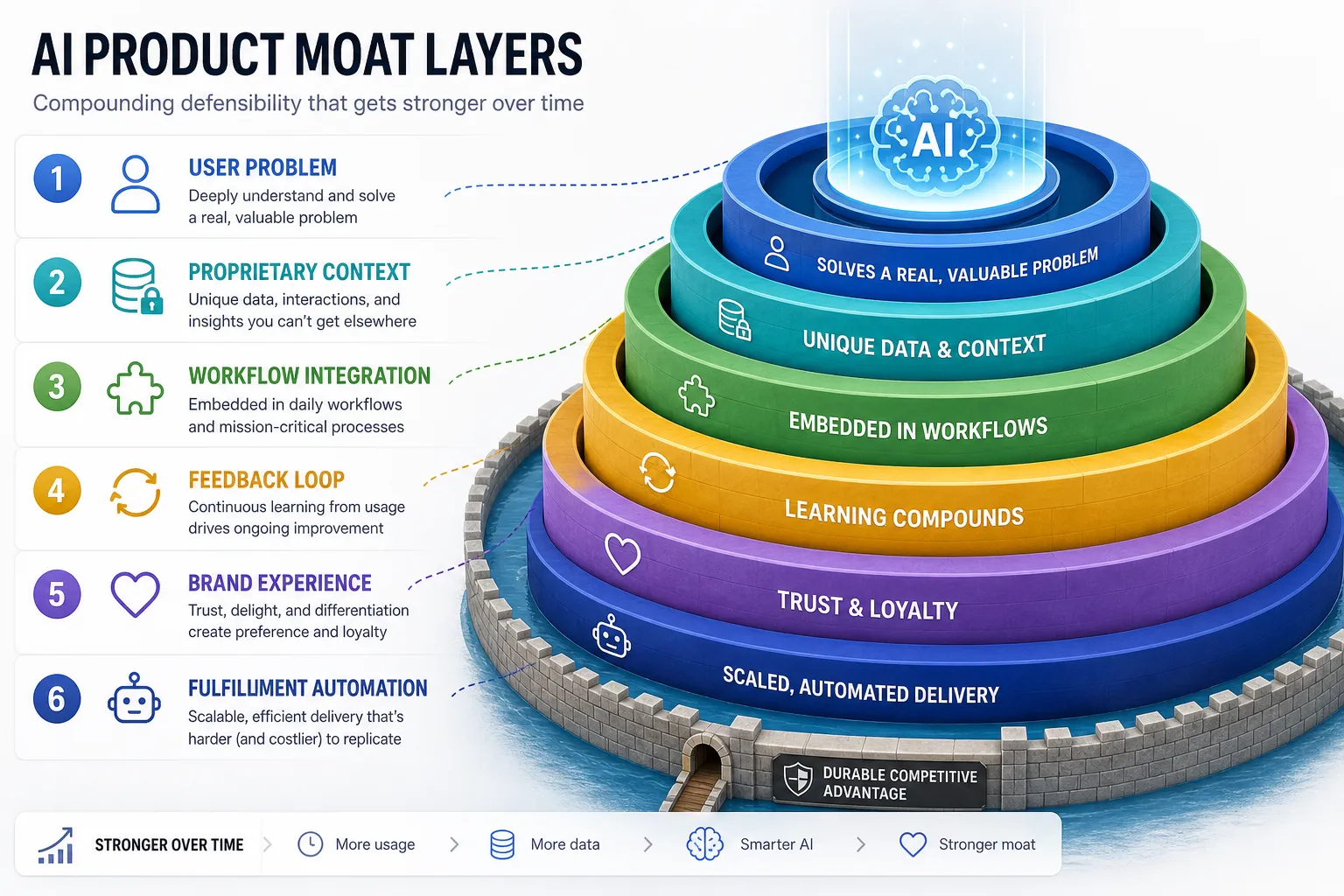
Media Rex Alliance is a strong example of this layered moat in practice:
It enables product creation through conversation, not traditional design complexity.
It supports white-label deployment into existing storefronts or apps.
It provides mobile-first, browser-based access with no app install required.
It syncs projects locally and in the cloud across devices.
It offers photorealistic 3D and AR previews to increase purchase confidence.
It automates fulfillment through a global network of premium printers.
It supports on-demand production, reducing stock risk and overhead.
Those layers are far harder to replicate than prompt engineering alone.
Differentiation: What Makes an AI Product Hard to Replace
If your only advantage is access to a popular model, your margin for error is thin. Winning AI products differentiate across five dimensions.
Differentiation Matrix
Dimension | Weak Position | Strong Position |
|---|---|---|
Intelligence | Generic model wrapper | Outcome-tuned workflow with proprietary context |
Experience | Novel demo | Reliable, friction-light product journey |
Integration | Standalone tool | Embedded in existing systems and channels |
Operations | Manual handoffs | Automated delivery and measurable outcomes |
Brand Fit | One-size-fits-all | White-label, customizable, verticalized deployment |
This is why white-label AI infrastructure is strategically attractive. Many digital print businesses do not want to become AI software companies. They want to deploy an AI product experience under their own brand, domain, and visual identity without rebuilding their stack from scratch.
User Experience Is the Real Conversion Engine
The competitors correctly note that the wrapper around the AI matters as much as the intelligence itself. In ecommerce and personalized print, that wrapper often determines whether a customer buys.
UX Principles for High-Performing AI Products
Reduce blank-page anxiety
Prompt-led interfaces outperform intimidating design canvases for many mainstream users.
Show progress immediately
Customers need instant visual feedback, not black-box waiting.
Keep editing lightweight
The user should feel in control without being forced back into manual complexity.
Design for mobile-first behavior
If the journey breaks on mobile, growth breaks with it.
Make the outcome feel real
Photorealistic previews and AR matter because they bridge imagination and purchase confidence.
That last point deserves emphasis. In categories where customers are buying physical products, preview quality is not a cosmetic bonus. It is a trust mechanism.
"61% of shoppers say they prefer retailers that offer AR experiences." - Think with Google
For businesses selling customized print products, the implication is obvious: when customers can see a realistic representation of what they are ordering, hesitation drops and confidence rises.
The Role of Feedback Loops in Product Quality
One of the strongest ideas in the competitor set is the notion of continuous feedback rivers. This matters because AI products improve fastest when teams stay close to real user behavior rather than abstract dashboards alone.
What to Feed Back Into the System
For an AI-driven product experience, feedback should include:
Customer prompts
Regeneration behavior
Edits after AI output
Abandonment points
Conversion outcomes
Returns or complaints
Product review language
Support transcripts
Why This Matters for Scaling
As organizations grow, direct customer exposure often decreases. AI product teams that preserve raw feedback visibility build better intuition, faster iteration cycles, and stronger pattern recognition.
"78% of leaders say their organization uses AI in at least one business function." - McKinsey & Company
Adoption is no longer the question. The real question is which companies can turn AI usage into repeatable customer value and operating leverage.
Go-to-Market Strategy for an AI Product
Even great AI products fail when the go-to-market motion is vague. Your GTM should match the level of workflow change required.
If You Are Selling to Businesses
Your message should focus on measurable business transformation:
Faster launch of AI-powered offerings
Reduced development burden
Better conversion from simplified creation flows
Lower inventory exposure through on-demand fulfillment
Stronger mobile commerce performance
Branded deployment without platform lock-in
If You Are Selling to End Users
Lead with the experience:
Describe what you want
Upload your photos
See it instantly
Preview it in 3D or AR
Order with confidence
Best GTM Wedge for AI Print Commerce
For many brands, the strongest wedge is not “AI design” in abstract terms. It is:
easier product creation,
faster ordering,
better previews,
and no need for customers to learn design software.
That is a far more commercial message.
Why AI-Powered Web-to-Print Is a High-Potential Category
AI has strong product-market fit where the workflow combines creativity, complexity, and conversion friction. Web-to-print sits directly in that zone.
Why the Category Is Ripe
Market Dynamic | AI Advantage |
|---|---|
Traditional editors are hard to use | Conversational creation reduces friction |
Mobile users abandon complex design flows | Browser-based prompt flows perform better on smaller screens |
Product customization slows checkout | AI accelerates decision-making |
Brands want differentiation | White-label deployment preserves brand identity |
Inventory ties up capital | On-demand production reduces stock risk |
Fulfillment is operationally complex | Automation improves scalability |
Media Rex Alliance is purpose-built for this exact market dynamic. Instead of forcing print businesses to piece together AI generation, editing tools, rendering, sync, storefront logic, and fulfillment orchestration, it provides an integrated SaaS platform designed for AI-driven web-to-print from the start.
What a Strong AI Product Roadmap Looks Like
A winning roadmap is not feature chaos. It is a sequence of compounding advantages.
Stage 1: Prove Demand
Launch one narrow use case
Validate prompt-to-purchase behavior
Measure friction reduction
Stage 2: Improve Output Quality
Tune context handling
Reduce failure cases
Improve preview realism
Refine UX around revision and approval
Stage 3: Build Trust and Scale
Add white-label rollout capability
Expand product types
Improve analytics and outcome visibility
Integrate fulfillment and operational systems
Stage 4: Compound Defensibility
Learn from behavioral data
Personalize by customer segment
Expand into adjacent product lines
Use historical patterns to improve creation outcomes
Common Mistakes That Kill AI Products
Building around the model instead of the user
Customers buy solutions, not architecture.
Chasing novelty over repeat usage
A fun first experience is not enough. Retention requires durable utility.
Ignoring operational delivery
If the AI creates value but the business cannot fulfill reliably, the product breaks.
Overloading the interface
Too many controls recreate the complexity AI was supposed to remove.
Treating AI output quality as the only metric
Conversion, trust, speed, and customer effort matter just as much.
Waiting too long to integrate distribution and brand fit
In many categories, especially commerce, deployment simplicity is part of the product.
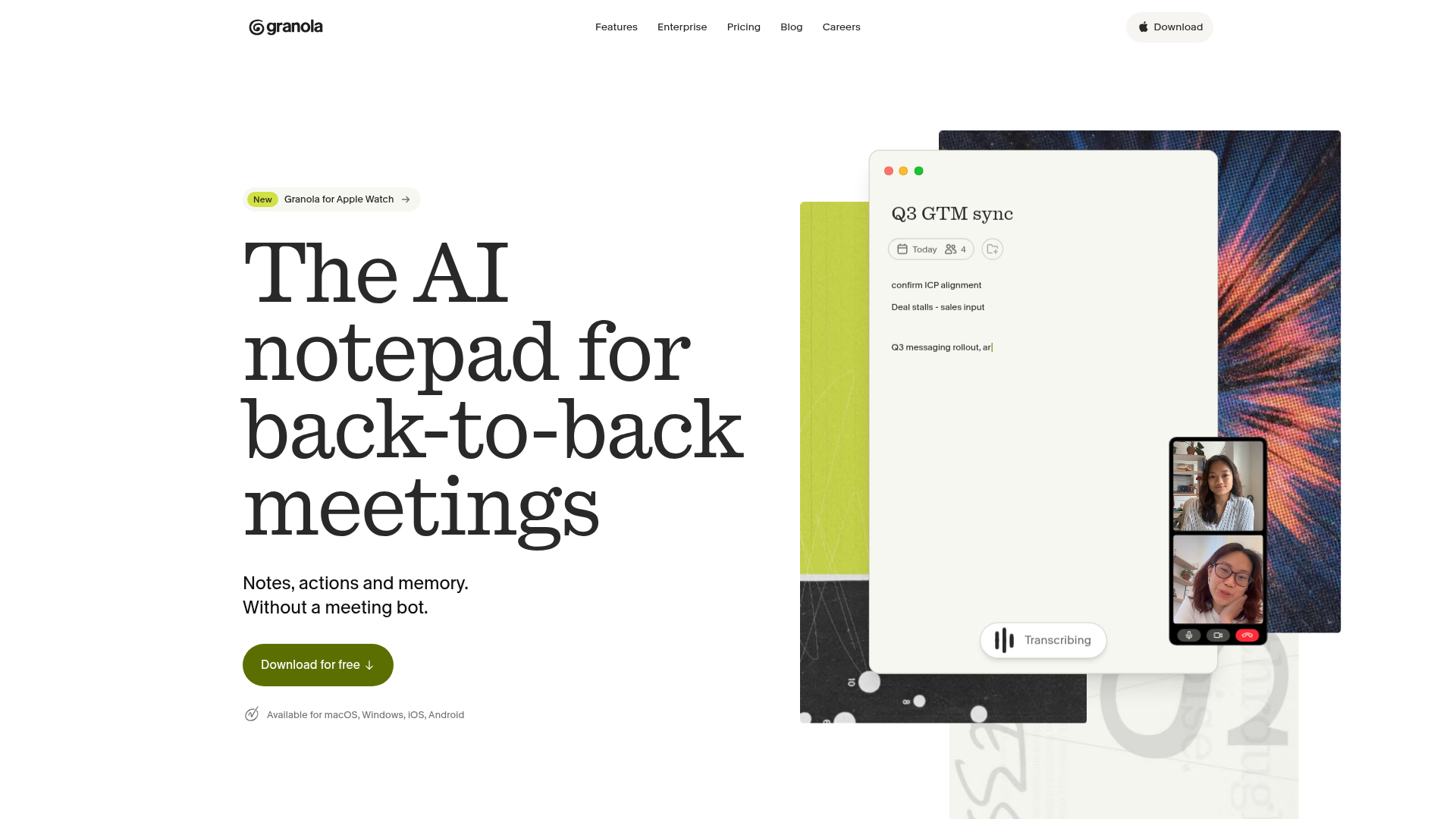
Screens Matter: Why Product Presentation Influences Adoption
Winning AI products are easier to sell when buyers can immediately understand the category standard and the quality bar.
Product Intelligence and Team Intuition
The strongest teams combine structured product thinking with continuous learning systems.
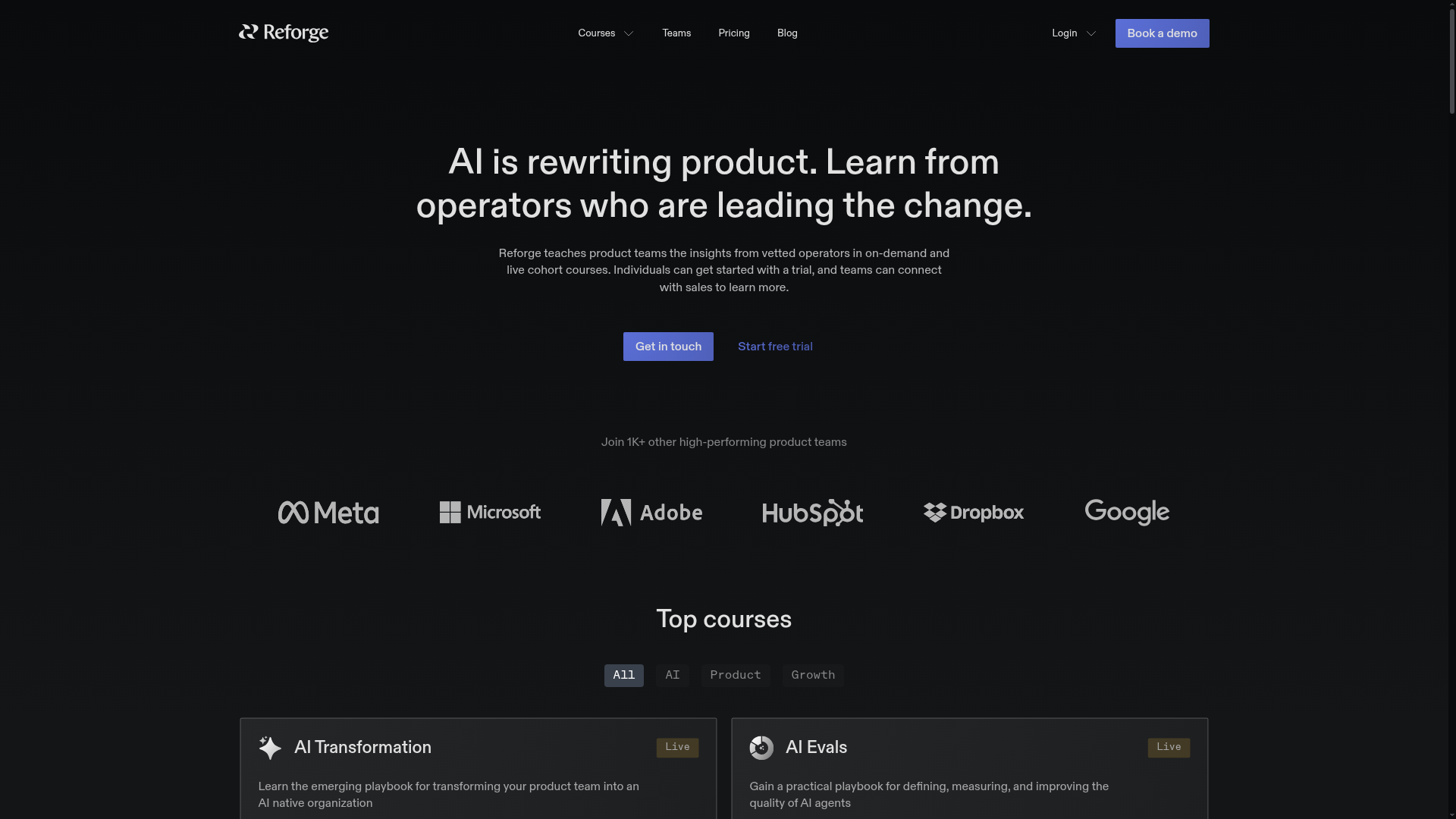
The Reforge perspective is especially useful here: product intuition scales when teams have constant exposure to customer feedback and can connect insights to product outcomes. For AI teams, this means combining analytics, raw user signals, and rapid iteration into one operating rhythm.
Where Media Rex Alliance Creates Strategic Advantage
For companies in digital print, photo products, and on-demand personalization, the fastest path to a winning AI product is often not building from zero. It is deploying a purpose-built platform that already solves the hardest layers.
What Media Rex Alliance Brings to the Table
Capability | Strategic Benefit |
|---|---|
Conversational AI creation engine | Removes traditional design friction |
Prompt-to-print-ready workflow | Shortens time from intent to order |
White-label storefront or app integration | Preserves brand ownership |
Photorealistic 3D and AR previews | Improves buyer confidence |
Mobile-first browser experience | Expands accessibility and conversion |
Local and cloud sync | Supports seamless cross-device creation |
On-demand production model | Reduces inventory and overhead |
Automated global fulfillment | Simplifies scaling operations |
This combination matters because most businesses do not just need an AI feature. They need an AI-enabled commercial system that increases speed, trust, conversion, and scalability at the same time.
Final Verdict
A winning AI product is built at the intersection of durable customer pain, narrow workflow excellence, strong context, measurable outcomes, and fast feedback loops. The companies that win will not simply have access to better models. They will create better product systems around those models.
For studios, photographers, print-on-demand brands, regional print players, and modern photo book companies, the opportunity is especially compelling. Customers already want personalization, faster creation, and simpler buying journeys. AI is the unlock, but only if it is embedded in a product experience that actually removes friction.
Media Rex Alliance stands out because it turns that theory into an operational reality. It helps businesses launch AI-powered web-to-print experiences without building the full stack themselves, while preserving brand identity, reducing inventory risk, improving purchase confidence, and automating fulfillment at scale.
If your business wants to move from legacy design friction to conversational commerce, now is the time to build differently. And if you want to do it faster, with less overhead and more strategic control, Media Rex Alliance is the clearest place to start.
FAQ
How to build your own AI product?
Start with a specific, high-value user problem, define the business metric you want to improve, and build the smallest useful workflow that proves customer value. The strongest AI products combine model capability with context, feedback loops, trust, and operational delivery, not just clever prompts.
What are the top 5 AI products?
The “top” products depend on category, but the leaders are usually those that solve a clear workflow problem and integrate AI into a complete experience. In practice, standout AI products often include general assistants, coding tools, meeting intelligence platforms, creative generation tools, and vertical systems like AI-powered web-to-print platforms.
Which AI does Elon Musk use?
Elon Musk is most closely associated with xAI and its Grok models, though like many technology leaders, he likely evaluates multiple systems depending on the use case. For businesses, the more important question is not which famous person uses which model, but which AI workflow creates durable customer value.