
Make and Sell T Shirts Online in 2026
Selling custom apparel online is no longer reserved for large brands with in-house production teams. In 2026, creators, photographers, small studios, regional print companies, and fast-growing print-on-demand brands can launch polished t-shirt businesses with far less friction than even a few years ago. The challenge is no longer access. It is execution: choosing the right niche, creating designs people actually want, building trust fast, and fulfilling orders efficiently without drowning in overhead.
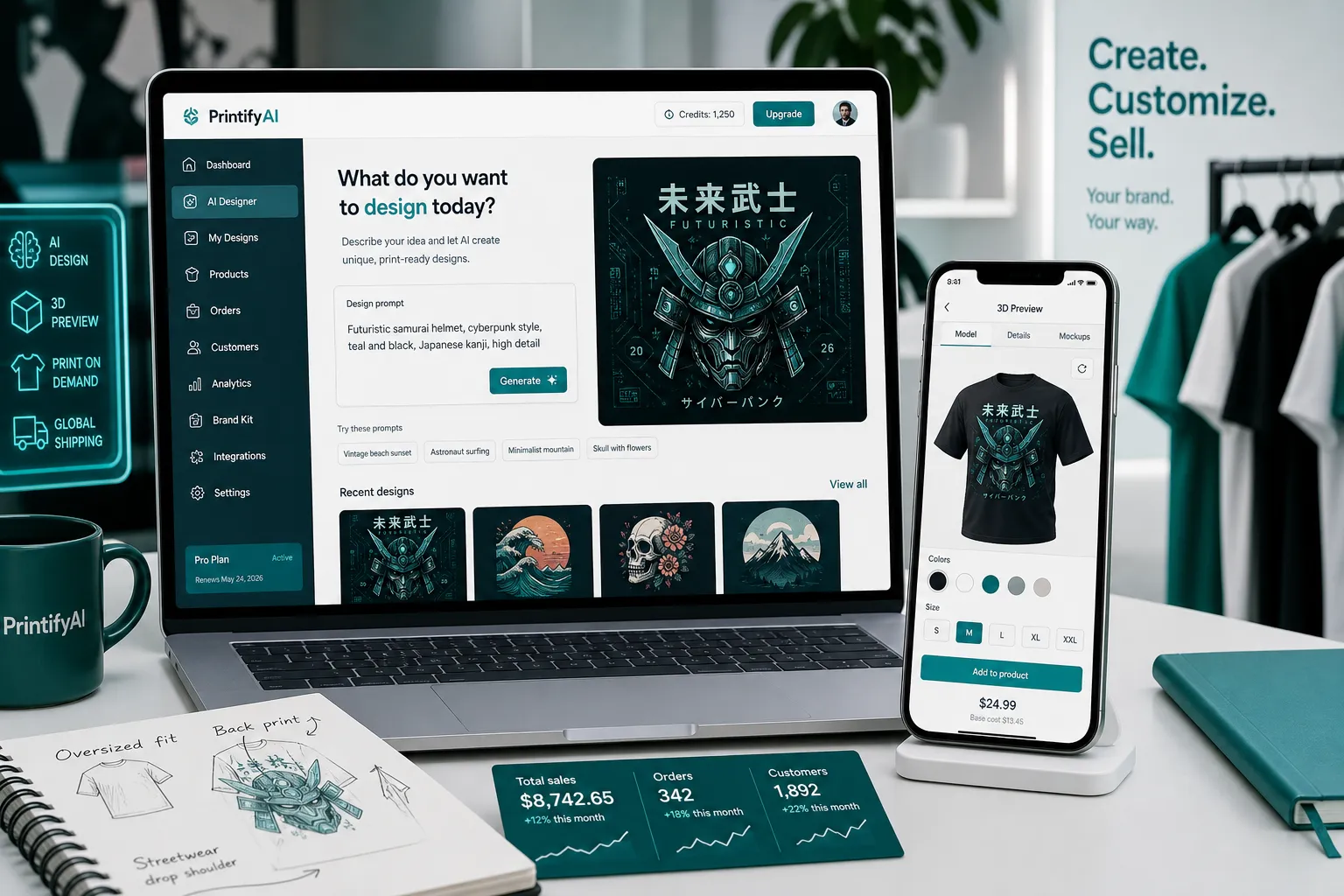
For many businesses, the old workflow is still the bottleneck. Traditional editors are too complex, mobile experiences are clunky, and getting from idea to print-ready product takes too many clicks. That is exactly why AI-powered web-to-print is becoming the strategic advantage. At Media Rex Alliance, we see the next wave of online shirt selling being led by brands that reduce creation friction, deploy faster, and convert better through conversational product creation, photorealistic previews, and globally automated fulfillment.
What the top-ranking competitors get right - and what they miss
The leading pages from Printify, Bonfire, and BagzDepot consistently emphasize a few winning themes:
low startup cost
no inventory or minimums
beginner-friendly design tools
print-on-demand fulfillment
niche selection and pricing strategy
ease of launching through ecommerce integrations or campaign models
That advice is solid. But there are also clear content gaps.
Content gaps most competitors leave open
1. They talk about design tools, but not design friction
Most pages promote “easy” builders, yet they still depend on conventional drag-and-drop behavior. That is a barrier for non-designers and a conversion killer on mobile.
2. They underplay mobile-first buying behavior
Many new sellers and buyers now discover, customize, and purchase from their phones. If the t-shirt creation flow is not smooth in-browser, you lose intent before checkout.
3. They rarely connect product creation to conversion science
Photorealistic 3D previews, AR visualization, and conversational creation are not gimmicks. They reduce uncertainty and improve purchase confidence.
4. They mention fulfillment, but not platform scalability
A side hustler and an enterprise photo product brand both need speed, but they need very different infrastructure. Few competitors explain how to evolve from startup mode to white-label, large-scale deployment.
5. They skip the strategic value of white-label AI print technology
Most guides assume you must build your brand on someone else’s marketplace or toolset. Media Rex Alliance offers a different model: own the customer experience, embed AI-driven creation into your storefront or app, and scale without building the entire system from scratch.
Why 2026 is still a strong year to start selling custom shirts
The category remains highly attractive because it sits at the intersection of personalization, creator commerce, and on-demand production.
"Grand View Research forecasted the market to reach USD 9.82 billion by 2030, expanding at a CAGR of 11.5% from 2025 to 2030." - Grand View Research
"The global print-on-demand market was valued at USD 10.8 billion in 2025 and is projected to reach USD 57.5 billion by 2033, reflecting a CAGR of 23.6% from 2026 to 2033." - Grand View Research
Those numbers matter because they validate two trends at once: consumers continue to want personalized apparel, and the infrastructure for on-demand production keeps improving. That combination makes it easier to make custom t shirts online, test quickly, and grow without tying up capital in inventory.
The modern business models for selling shirts online
Not every t-shirt business should run the same way. The right model depends on your audience, margins, and how much control you want over branding and production.
Comparison of the main models
Model | Best For | Startup Cost | Margin Potential | Branding Control | Operational Complexity |
|---|---|---|---|---|---|
Marketplace print-on-demand | Beginners, side hustlers | Low | Moderate | Low | Low |
Campaign-based selling | Fundraisers, limited drops | Low | Moderate | Medium | Low |
Independent ecommerce + POD | Emerging brands | Low to medium | Medium to high | High | Medium |
White-label AI web-to-print | Print brands, studios, enterprise | Medium | High | Very high | Medium to high |
Bulk/wholesale production | Events, B2B, established sellers | Medium to high | High | High | High |
Which model wins in 2026?
For pure simplicity, marketplace POD still works. But for serious brands, it is becoming less defensible. The brands that outperform will increasingly use owned storefronts, more advanced customization, and lower-friction creation experiences. That is where Media Rex Alliance fits naturally: it enables businesses to launch branded AI-powered product creation experiences under their own identity, without needing to engineer the platform themselves.
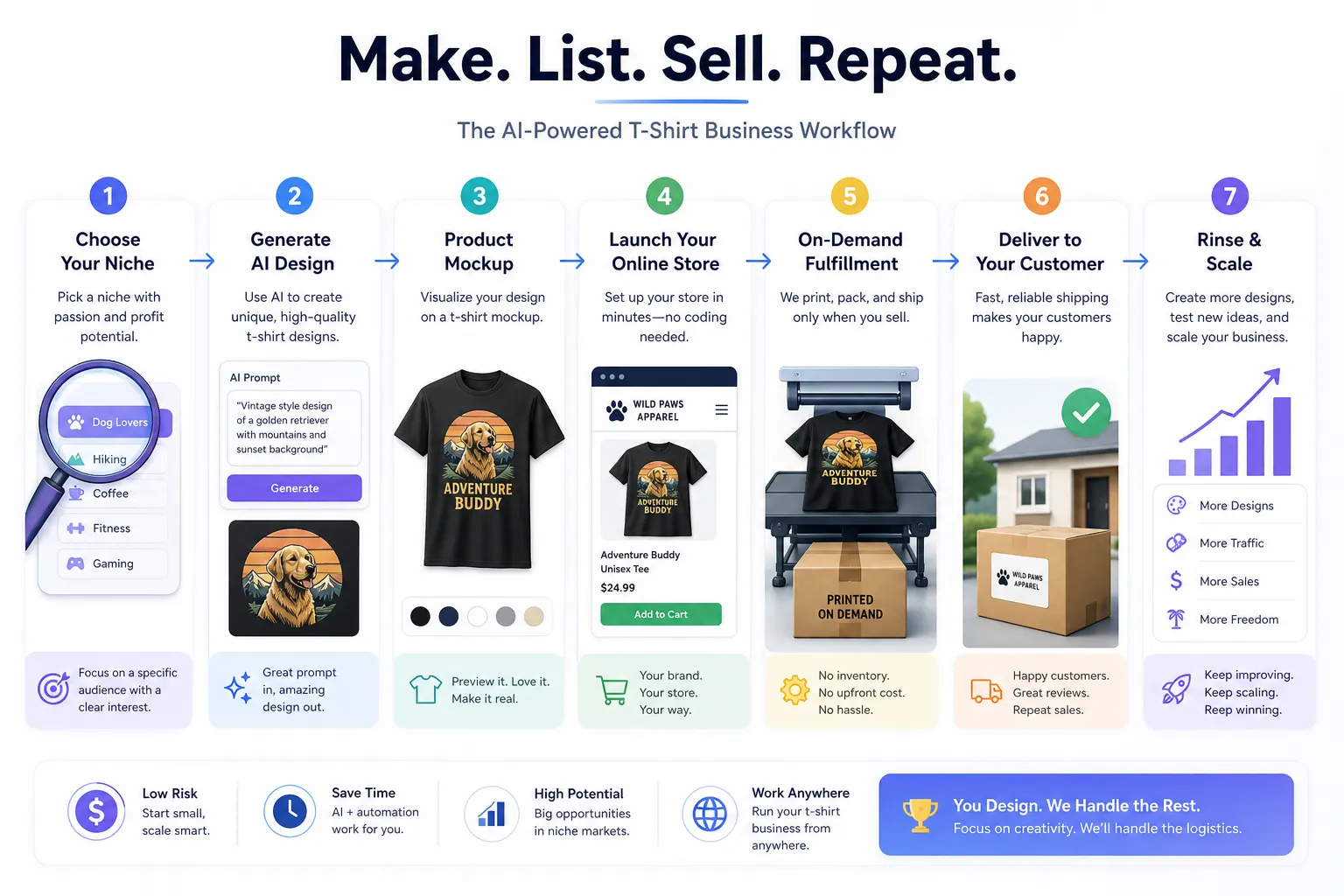
Step 1: Choose a niche that has demand, identity, and repeat purchase potential
If you want to make and sell t shirts online profitably, do not begin with a design. Begin with a market.
Strong niche criteria
A smart niche has:
a shared identity
emotional or community alignment
repeat purchase behavior
visual themes that translate well to apparel
room for collections, not just one-off designs
Niche examples with strong potential
Niche Type | Why It Works | Product Angle |
|---|---|---|
Local pride | Emotional identity and giftability | City tees, event drops, neighborhood designs |
Fitness communities | Repeat purchase and team culture | Gym shirts, challenge merch, coach branding |
Pet lovers | Highly visual and emotional | Breed-specific or custom pet portrait shirts |
Photography brands | Audience trust and visual assets | Limited artist drops, print-inspired apparel |
School and club communities | Group demand | Fundraisers, spirit wear, event shirts |
Cause-driven brands | High storytelling value | Awareness campaigns, mission-led merch |
Creator audiences | Built-in distribution | Subscriber merch, fan drops, exclusive launches |
A faster validation method
Before you design shirts to sell online, answer these three questions:
Who will wear this shirt in public?
Why would they choose this over a generic alternative?
Can you create at least 10 product concepts for the same audience?
If you cannot answer all three, your niche is probably too broad.
Step 2: Build designs that are easy to understand and easy to buy
The strongest shirt designs in 2026 do not just look good. They convert quickly on small screens.
What sells now
bold, readable typography
emotionally resonant phrases
minimal graphics with premium styling
micro-community references
designs tied to identity or belonging
event-based and seasonal drops
personalized variations at scale
What stops conversions
overcomplicated artwork
poor contrast
unreadable text on mobile
too many style choices
generic slogans with no audience fit
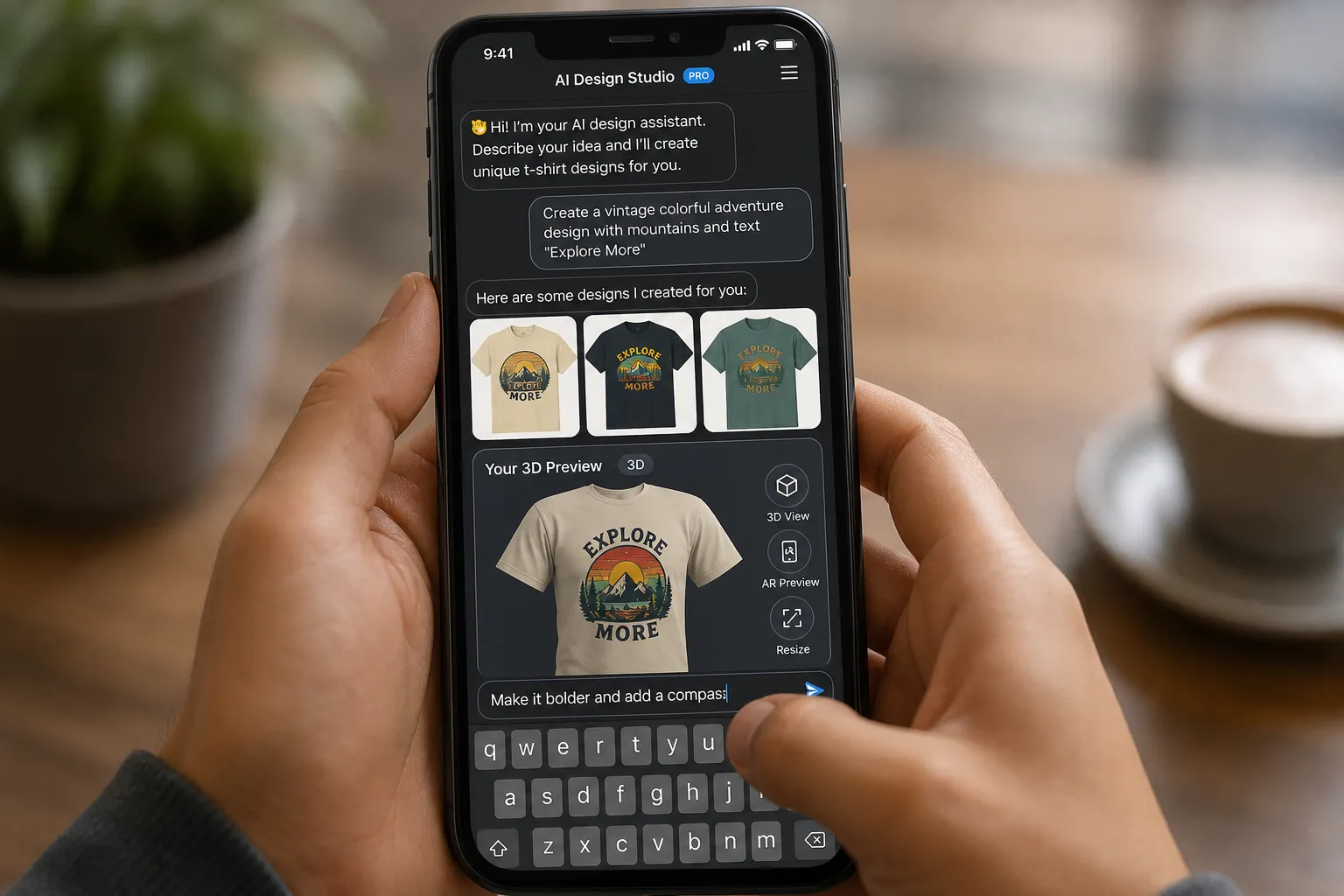
The new advantage: conversational product creation
Traditional builders ask the customer to act like a designer. Conversational AI asks them to act like themselves.
With Media Rex Alliance, businesses can let users describe what they want in natural language, upload photos, and receive ready-to-print layouts in minutes. That reduces friction dramatically for buyers who want to create shirts but do not want to learn a complex editor. It also makes it easier for brands to help customers create shirts to sell online, especially when speed matters.
Step 3: Pick the right blanks and printing methods
A good design can still fail if the shirt quality disappoints. Reviews, reorders, and lifetime value all depend on the physical product.
Key criteria for shirt selection
fabric feel
fit consistency
print compatibility
shrink behavior
color range
supplier reliability
Common t-shirt categories
Shirt Type | Best For | Pros | Watchouts |
|---|---|---|---|
Heavy cotton | Budget-friendly core products | Durable, inexpensive | Less premium feel |
Softstyle/ring-spun | General retail appeal | Softer, better comfort | Slightly higher base cost |
Garment-dyed | Premium lifestyle branding | Trendy, washed finish | Higher price point |
Performance blends | Fitness and events | Moisture-wicking | Print compatibility varies |
Eco-friendly shirts | Conscious consumers | Strong brand story | Often higher fulfillment costs |
Printing methods to understand
Method | Best Use Case | Strengths | Limitations |
|---|---|---|---|
DTG | Detailed multi-color art, small runs | High detail, no large minimums | Best on certain fabrics |
DTF | Fast, flexible customization | Strong versatility | Can feel different on garment |
Screen printing | Bulk orders | Excellent per-unit economics at scale | More setup needed |
Sublimation | Polyester all-over prints | Vibrant, durable color | Material limitations |
Embroidery | Premium logos and minimalist apparel | Elevated perceived value | Limited design complexity |
The right production mix depends on whether you want to print your own t shirts online through a fulfillment partner, run wholesale orders, or offer a hybrid of both.
Step 4: Create a storefront that converts, not just a catalog that exists
Too many sellers focus on adding products before they fix the buying experience.
What every high-converting shirt page needs
a clear hero image
realistic mockups
sizing information
fabric and care details
shipping clarity
return policy visibility
social proof
a clean mobile checkout flow
Why previews matter more than ever
The better the preview, the lower the hesitation. This is where Media Rex Alliance delivers a meaningful edge for digital print businesses and modern ecommerce brands. Instead of forcing customers to imagine the end result, the platform offers photorealistic 3D and AR previews before purchase. That improves confidence, supports higher conversion rates, and helps reduce disappointment-driven support requests.
Step 5: Set pricing with margin logic, not guesswork
A lot of new sellers underprice to get traction. That usually creates a fragile business.
Your real cost structure
To price intelligently, include:
base product cost
printing cost
packaging
shipping subsidy, if any
marketplace or platform fees
payment processing
refund/defect buffer
ad spend, if you rely on paid traffic
Sample pricing model
Item | Budget Tee | Mid-Tier Tee | Premium Tee |
|---|---|---|---|
Base + print cost | $8.50 | $12.00 | $17.00 |
Packaging + misc. | $1.00 | $1.25 | $1.50 |
Platform/payment fees | $1.50 | $2.00 | $2.75 |
Total landed cost | $11.00 | $15.25 | $21.25 |
Suggested selling price | $24.00 | $32.00 | $44.00 |
Approx. gross profit | $13.00 | $16.75 | $22.75 |
Pricing tips that actually work
sell a story, not a commodity
use bundles to lift average order value
keep a premium anchor product in the mix
avoid competing only on “cheap”
test price elasticity by audience, not by instinct
If your goal is to make shirts online and sell them sustainably, your pricing must support growth, not just first sales.
Step 6: Decide how customers will create products
This is the strategic decision most articles overlook.
The old way
A customer clicks through multiple menus, uploads art, resizes manually, tweaks placement, and hopes the result prints correctly.
The 2026 way
A customer enters a prompt, adds optional photos, gets an AI-generated layout, reviews it in 3D or AR, and checks out.
That shift is profound. It means more people can make their own t shirts online without creative software skills. It also means businesses can reduce abandonment from users who want personalization but dislike complicated editors.
Why Media Rex Alliance is built for this shift
Media Rex Alliance enables:
conversational AI product creation
ready-to-print layouts from simple prompts
mobile-first browser access with no app installation
local and cloud sync across devices
fully white-label integration into existing ecommerce experiences
automated on-demand production with global fulfillment partners
scalable deployment for startups, regional printers, and enterprise photo product brands
For any company that wants customers to make shirts and sell online through a branded experience, this is a far more future-ready path than relying solely on standard template editors.
Step 7: Launch where your audience already buys
You do not need every channel on day one. You need the right channels for your niche.
Primary launch channels
Channel | Best For | Strength |
|---|---|---|
Shopify or similar store | Brand control | Best ownership and flexibility |
Etsy | Search-driven discovery | Good for niche products |
Social commerce | Fast creator-led sales | Strong for audience-based drops |
Campaign pages | Time-limited offers | Good urgency and fundraising |
B2B landing pages | Teams, schools, events | Strong for repeat volume |
Recommended launch sequence
Build a tight product line around one niche.
Publish 3 to 7 strong designs instead of 30 weak ones.
Use real mockups and one clear value proposition.
Add email capture before traffic spikes.
Publish short-form content around each design theme.
Collect early reviews and buyer photos.
Expand only after you know what actually sells.
Step 8: Use content and SEO as your long-term moat
Paid ads can work, but content compounds.
Pages that help you rank and convert
collection pages by niche
product pages with clear terms and intent
gift guides
“best shirts for…” pages
event-specific landing pages
educational blog posts
FAQ sections targeting real purchase questions
Topics competitors cover poorly
This is where you can differentiate:
how AI changes shirt customization
how to reduce friction in mobile shirt design
how to scale from one-person brand to white-label print business
how 3D/AR previews improve conversions
how photographers and studios can turn archives into wearable products
how regional print companies can modernize without building custom software
These are exactly the strategic layers Media Rex Alliance helps businesses operationalize.
Step 9: Build trust with proof, process, and product realism
Trust is the multiplier on every traffic source.
Fast trust builders
visible turnaround times
quality guarantees
customer photos
realistic close-up fabric shots
review excerpts
transparent production notes
clear support channels
See how competitors position trust
Printify
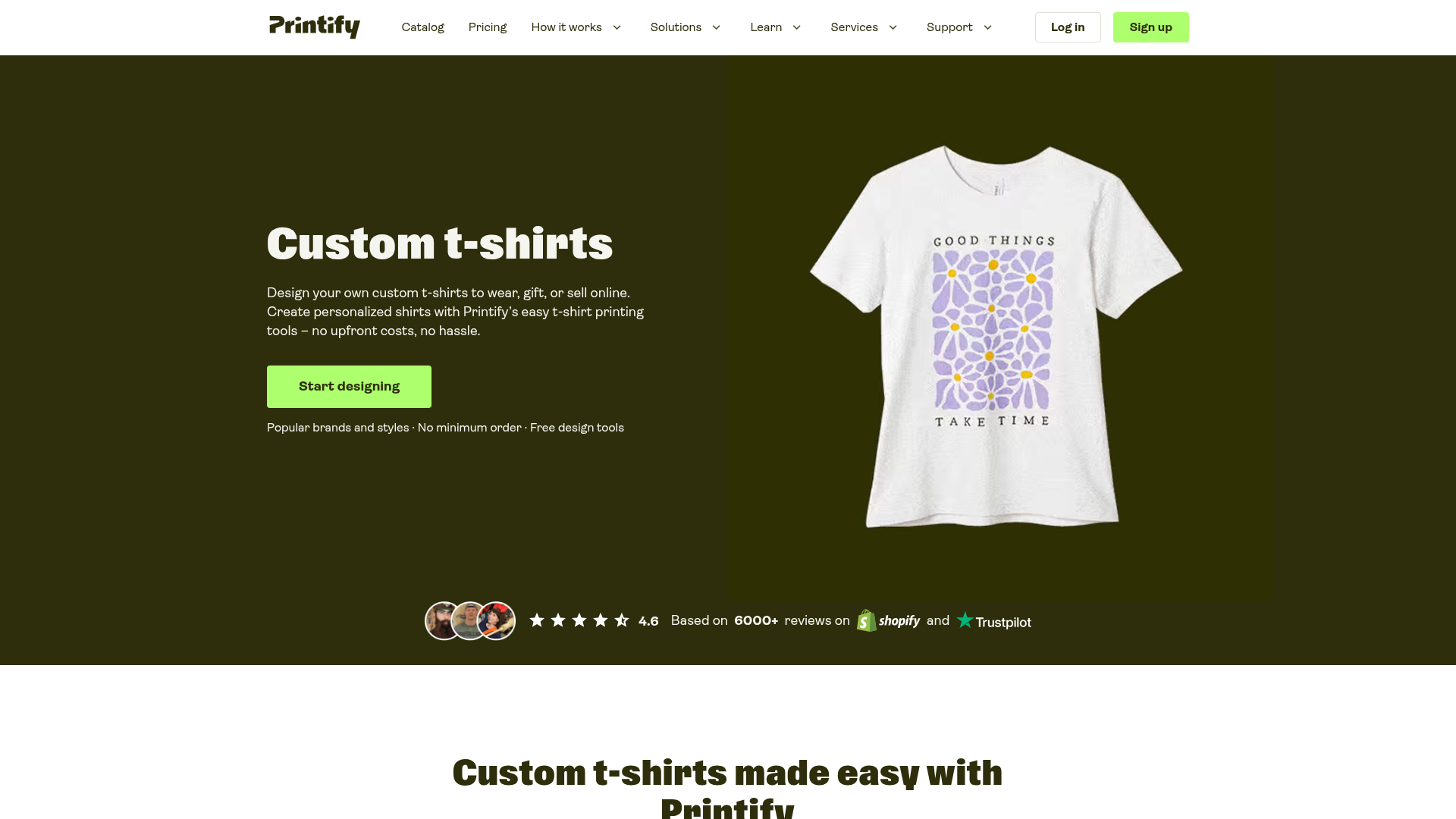
Printify leans heavily on product breadth, global fulfillment, and no-minimum convenience.
Bonfire
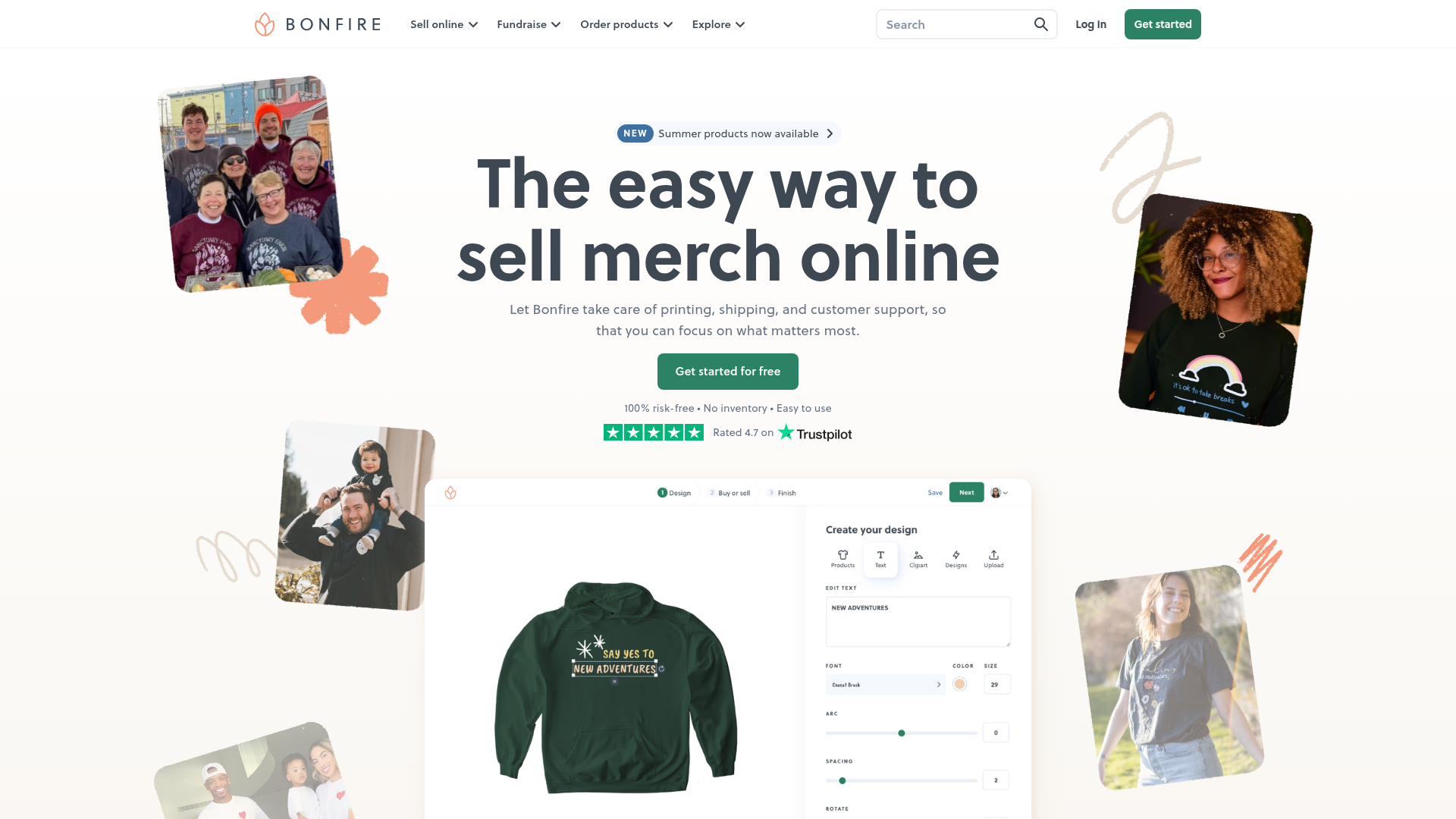
Bonfire positions itself around easy campaigns, creator selling, and fundraising simplicity.
BagzDepot
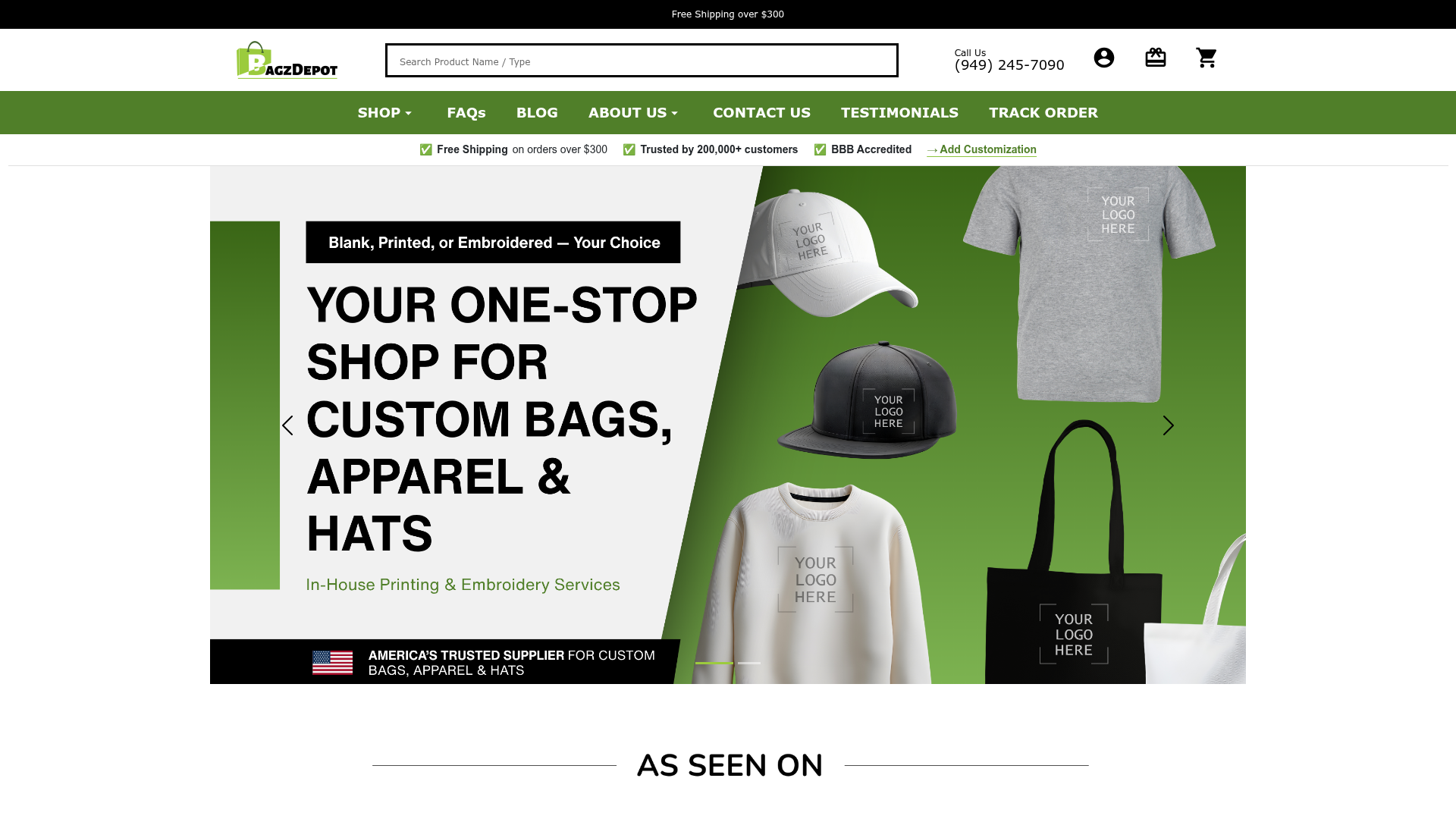
BagzDepot focuses on wholesale credibility, blank apparel sourcing, and custom order support.
The opportunity beyond them
All three speak to parts of the journey. Few fully solve the end-to-end experience for brands that want their own AI-powered customization layer, white-label deployment, and seamless creation-to-fulfillment flow. That is the gap Media Rex Alliance is designed to fill.
Step 10: Scale beyond side hustle mode
Once you validate demand, the next problem is usually operational. More orders expose weaknesses in manual workflows.
Signals you are ready to scale
repeat customers appear without discounts
one niche clearly outsells the rest
support questions repeat in patterns
order volume is becoming hard to manage manually
custom requests are increasing
mobile traffic is high but conversion is lagging
What scaling should look like
Growth Stage | Main Priority | Best Move |
|---|---|---|
Early validation | Test demand | Small collection + organic content |
Consistent sales | Improve margin | Refine pricing, products, and upsells |
Brand growth | Increase conversion | Better previews, better mobile UX, faster personalization |
Operational scaling | Reduce manual work | Automate fulfillment and creation workflows |
Enterprise expansion | Control experience | White-label AI print platform integration |
Media Rex Alliance is especially relevant from the third stage onward, when brands need more than a basic store plugin. Its browser-based, mobile-first infrastructure and conversational product engine help businesses scale creation without increasing complexity.
A practical 30-day plan to launch your online t-shirt business
Week 1: Strategy
choose one niche
define your brand angle
decide on your business model
select 3 core shirt blanks
Week 2: Product creation
create 5 to 10 launch designs
build product pages
prepare sizing and shipping information
set pricing and bundle logic
Week 3: Store and content
launch storefront
set up email capture
prepare short-form video and image content
publish one educational blog post and one niche landing page
Week 4: Promotion and feedback
announce launch
seed early reviews
track best sellers
gather customer questions
optimize low-performing product pages
If you are a print business or photo product company rather than a solo seller, the same framework applies, but the smarter move is often to launch with a branded AI creation layer from the start instead of retrofitting one later.
Mistakes that quietly kill t-shirt businesses
1. Starting too broad
General “funny shirt” stores are hard to position and easy to ignore.
2. Prioritizing quantity over concept
A few cohesive products outperform a giant random catalog.
3. Ignoring mobile UX
If the user cannot easily customize or buy from a phone, you are leaking sales.
4. Choosing low-quality blanks
One bad fit or poor print can wipe out future conversions.
5. Pricing from emotion
If you price for vibes instead of margin math, you create stress fast.
6. Using outdated creation flows
The more effort it takes to design a shirt and sell online, the more users abandon.
7. Building on rented land only
Marketplace traffic is useful, but owned storefronts create long-term brand value.
Final verdict: the future belongs to low-friction, high-confidence shirt selling
Yes, you can still make and sell t shirts online in 2026. In fact, the opportunity is stronger for brands that move faster, personalize better, and eliminate the friction that old-school design tools create.
The winners will not simply offer more products. They will offer a better creation experience, better previews, better mobile usability, and more scalable fulfillment. That is the shift from basic print-on-demand to AI-powered web-to-print.
Media Rex Alliance is built for businesses that want to lead that shift. Whether you are a small studio, photographer, new merch brand, regional print company, or established photo book business, the platform helps you launch branded, scalable print experiences without having to build complex product-creation technology yourself. With conversational AI, photorealistic 3D and AR previews, white-label deployment, cross-device sync, and automated global production, it gives you a future-ready way to turn ideas into premium printed products faster.
If you want to move beyond generic editors and start selling smarter, Media Rex Alliance is the platform to watch.
FAQ
What is the trend in shirt design 2026?
In 2026, the strongest trend is clean, instantly readable design combined with identity-based messaging, micro-community themes, and personalized variations. Brands are also moving toward AI-assisted creation and more premium previews such as 3D and AR to help customers buy with confidence.
What is the best platform to sell t-shirts online?
The best platform depends on your stage, but for long-term growth, an owned storefront with scalable print technology is usually the strongest choice. Businesses that want more control, better branding, and lower creation friction should look at white-label AI-powered platforms like Media Rex Alliance instead of relying only on marketplaces.
Is it profitable to sell t-shirts online?
Yes, selling shirts online can be profitable if you choose the right niche, protect your margins, and create a buying experience that converts. The most sustainable brands focus on quality, trust, and efficient on-demand fulfillment rather than competing only on the lowest price.
What's going out of style in 2026?
Generic slogan tees, cluttered graphics, and confusing drag-and-drop customization flows are losing relevance. In 2026, shoppers prefer clear design, mobile-first buying, and faster AI-driven personalization over outdated, high-friction experiences.