
W2P Solutions: Top Trends Driving Print Growth
Print businesses are entering a new era. In 2026, w2p solutions are no longer just online ordering tools - they are becoming intelligent revenue engines that unify product creation, personalization, e-commerce, production, and fulfillment.
For small studios, photographers, emerging print-on-demand brands, regional print companies, and established photo book businesses, the challenge is clear: customers expect faster, easier, more visual, and more personalized buying experiences. Traditional web-to-print workflows often create friction with clunky editors, slow proofing cycles, disconnected production systems, and high operational overhead.
The next generation of W2P is different. It is conversational, automated, mobile-first, visually immersive, and deeply integrated with storefronts and fulfillment networks.
At Media Rex Alliance, we see this shift firsthand. The market is moving toward AI-powered product creation, fully white-label deployment, photorealistic previews, browser-based design, and on-demand production at scale. Businesses that adapt early can reduce abandonment, increase conversion rates, and launch premium branded print experiences without building complex infrastructure from scratch.
"The global web-to-print software market was valued at USD 1.1 billion in 2022 and is projected to reach USD 1.96 billion by 2030, growing at a compound annual growth rate (CAGR) of 7.8% from 2023 to 2030." - Grand View Research
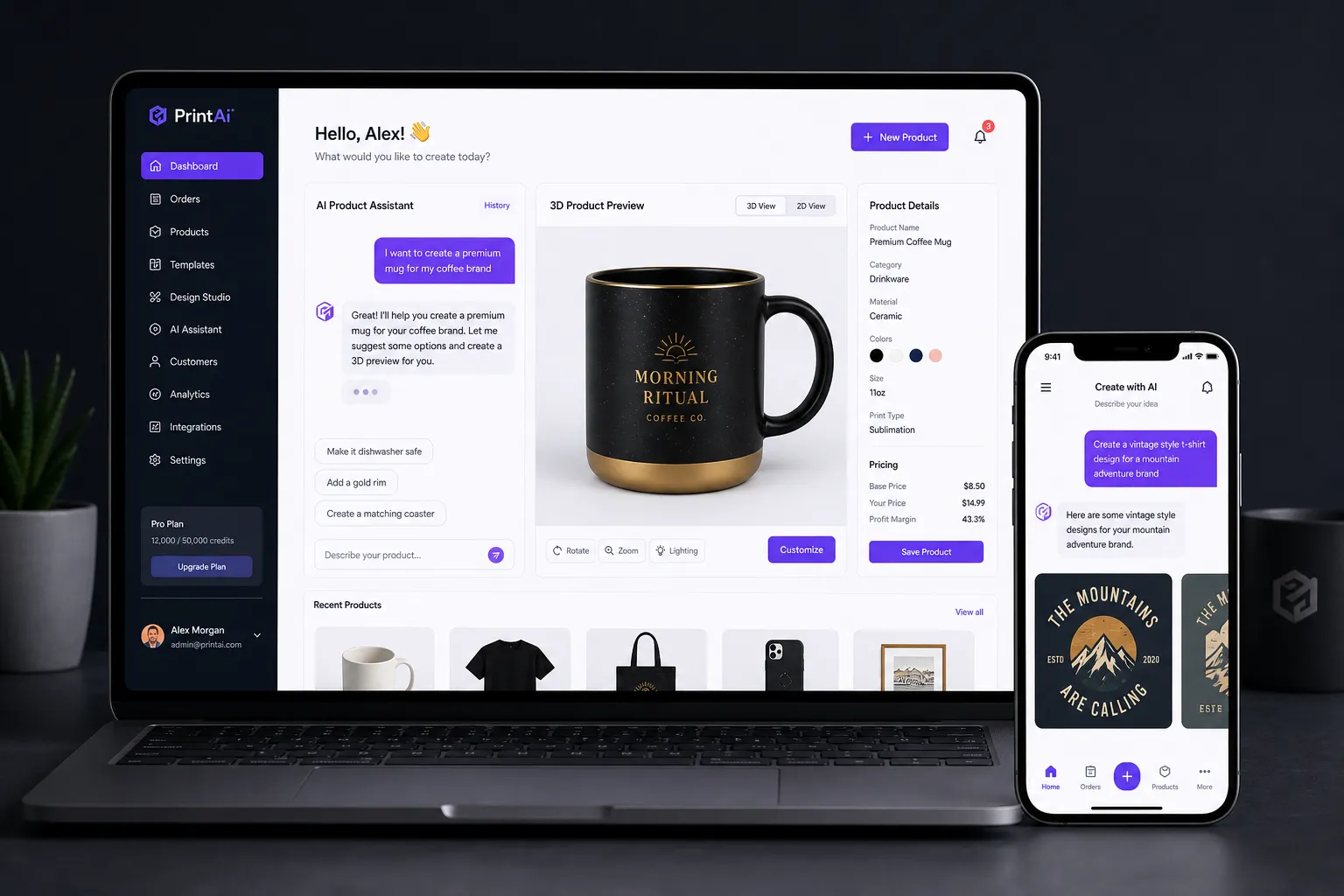
What W2P Solutions Mean in 2026
A web-to-print solution is a platform that allows customers to create, customize, preview, and order printed products online. Historically, that meant templates, upload tools, and checkout. Today, that definition is far too limited.
Modern W2P solutions increasingly include:
AI-guided product creation
Browser-based editing with no app install
Personalized design generation
Mobile-first purchasing flows
3D and AR product previews
Storefront or app integration
Automated production routing
Global print fulfillment
Cloud sync across devices
White-label deployment for brands and resellers
In other words, W2P is becoming the operating layer between customer intent and printed output.
For print businesses, that evolution matters because the biggest growth barrier is not usually demand. It is friction. If customers struggle to create a product, do not trust what it will look like, or face slow turnaround, conversion suffers. The best W2P platforms remove those barriers.
Why Traditional Web-to-Print Is No Longer Enough
Many legacy solutions still rely on interfaces built around desktop-era assumptions:
Complex design tools that overwhelm casual buyers
Weak mobile experiences
Slow page performance
Limited preview quality
Manual proofing steps
Poor integration with production and shipping systems
High setup costs for branded experiences
This is where many competitor articles stop: they describe market growth, cloud adoption, and packaging trends, but do not fully address the deeper shift in customer behavior. Buyers now want the simplicity they get from modern consumer apps. They expect natural interaction, immediate output, confidence before purchase, and delivery visibility afterward.
That is why the future of W2P is not just online customization. It is AI-assisted commerce for print.
The Top Trends Driving W2P Growth
1. Conversational AI Is Replacing Complex Design Workflows
The most important trend in W2P solutions is the move from manual design to prompt-based product creation.
Instead of forcing customers to learn layers, grids, bleed settings, and layout tools, advanced platforms allow them to describe what they want in plain language. For example:
“Create a premium travel photo book with a minimalist layout”
“Design a wedding album with elegant typography and soft neutral colors”
“Turn these family photos into a hardcover keepsake book”
That shift reduces friction dramatically.
For small studios and photo brands, this means more orders from less design-savvy customers. For larger enterprises, it means better scalability because product creation is no longer bottlenecked by manual intervention.
Media Rex Alliance is built around this exact model. Its autonomous creation engine turns conversational prompts into ready-to-print products quickly, helping users move from idea to checkout with far less abandonment.
2. Automation Is Becoming the Core Profit Driver
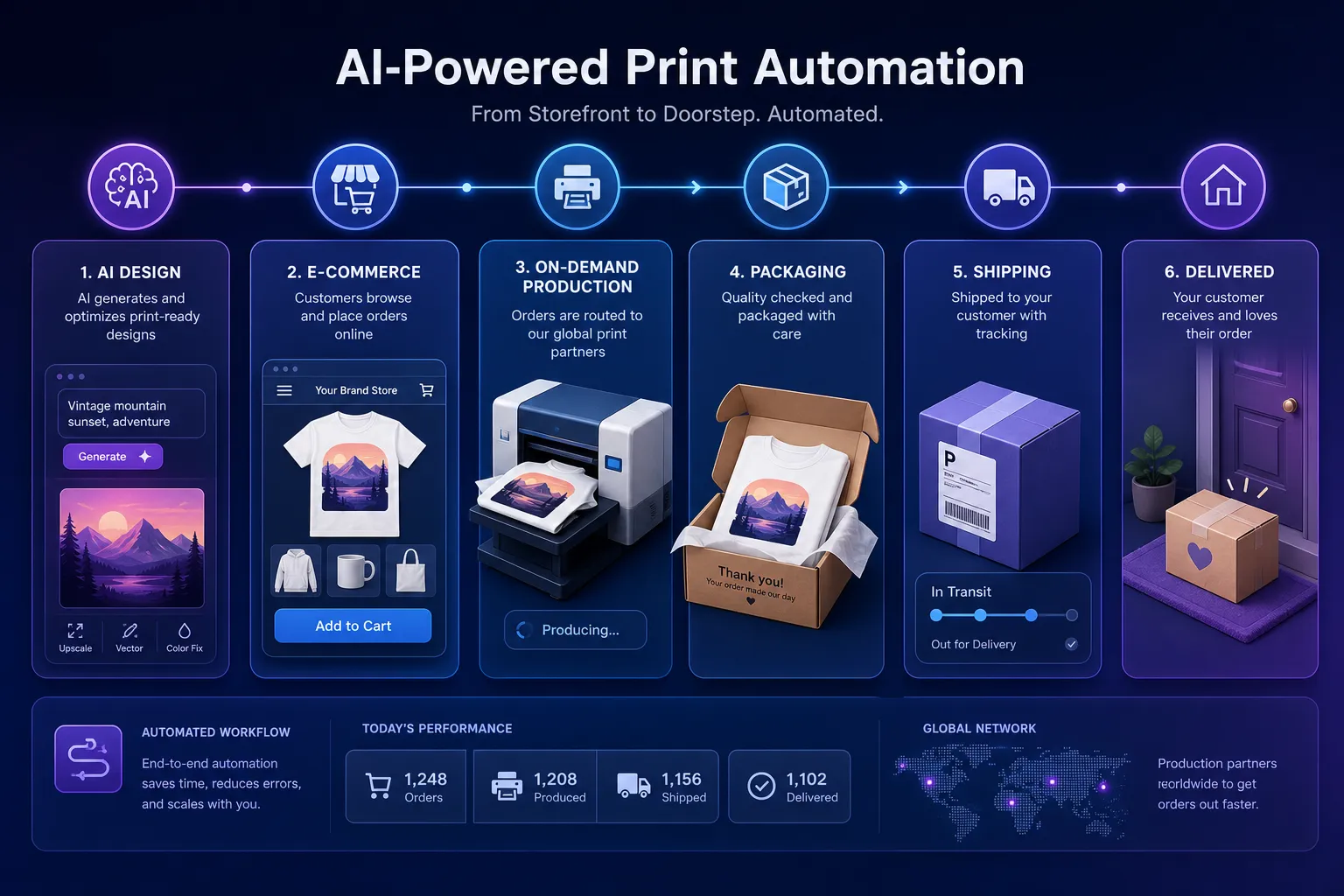
The most successful W2P businesses in 2026 are not just selling online - they are automating the entire path from order to fulfillment.
That includes:
Product setup automation
Layout and design generation
File preparation
Proof creation
Job routing
Printer selection
Shipping workflows
Status updates
Automation improves more than efficiency. It improves margins. Fewer manual touchpoints mean lower labor costs, fewer errors, and faster turnaround.
"80% of print professionals identified AI-driven tools and automation as essential for improving workflows, reducing costs, and fostering innovation." - Gelato, 2025 State of Print Production Report
3. Personalization Is Expanding Beyond Templates
Older platforms offered personalization through editable templates. That still matters, but it is no longer enough.
Today’s leading W2P experiences support deeper personalization through:
AI-generated layouts
Smart image placement
Dynamic text and style adaptation
Context-aware recommendations
User-guided theme selection
Multi-image storytelling for books and albums
The result is a better customer experience and a more premium final product.
This is especially important for photo books, gifts, wall art, and branded keepsakes - categories where emotional value and perceived uniqueness drive higher average order values.
4. White-Label Integration Is Becoming a Strategic Requirement
One major content gap in competitor coverage is deployment strategy.
Many print businesses do not want a separate third-party brand sitting between them and their customers. They want a solution that fits inside their existing website, app, or commerce stack.
That is why white-label W2P deployment is becoming essential.
A future-ready platform should allow businesses to:
Use their own domain
Apply their brand identity and UI styling
Integrate with their storefront or checkout flow
Maintain direct customer ownership
Preserve brand trust and loyalty
Media Rex Alliance is especially strong here. It offers fully white-label integration into existing storefronts or apps, making it ideal for print businesses that want enterprise-grade technology without sacrificing brand control.
5. Photorealistic 3D and AR Previews Are Raising Conversion Confidence
Static previews create uncertainty. In print, uncertainty kills conversion.
Customers want to know what they are buying - especially with premium products such as photo books, albums, calendars, packaging, or gift items.
The rise of photorealistic 3D previews and AR product visualization is solving that problem.
Benefits include:
Better purchase confidence
Lower proofing friction
Fewer post-order surprises
Stronger premium positioning
Improved mobile engagement
Media Rex Alliance supports photorealistic 3D and immersive AR previews, helping businesses show customers what the finished product will feel like before they order. That is a serious competitive advantage in any category where aesthetics matter.

6. Mobile-First Design Is No Longer Optional
A surprising number of W2P platforms still deliver weak mobile experiences. That is a serious liability.
Customers increasingly discover, customize, and purchase products on phones. If a design flow feels cramped, slow, or confusing on mobile, conversions suffer.
Modern W2P solutions must be:
Browser-based
Fast-loading
Touch-friendly
Responsive across devices
Accessible without software installation
Media Rex Alliance addresses this directly with a mobile-first, browser-based experience that requires no app install. That matters for brands targeting consumer buyers who expect frictionless access from any device.
7. Cross-Device Continuity Is Becoming a Hidden Growth Lever
Customers often begin on one device and finish on another. A parent may start a photo book on mobile, review it on tablet, and purchase on desktop. A business buyer may configure products at work and revisit at home.
If project progress is lost, the order may be lost too.
This is why modern platforms need both local and cloud project sync. Media Rex Alliance supports seamless multi-device use by syncing projects locally and in the cloud, helping buyers continue where they left off.
This may seem like a product detail, but it has direct revenue implications. Continuity reduces drop-off and supports longer, higher-value buying journeys.
8. On-Demand Production Is Replacing Inventory-Heavy Models
Another major driver of W2P growth is operational economics.
Traditional print commerce often involved overproduction, warehousing, and stock risk. On-demand models change that. Products are produced after purchase, reducing inventory carrying costs and freeing up capital.
Benefits include:
Lower overhead
Less waste
Faster product experimentation
Easier SKU expansion
Reduced inventory risk
Better alignment with customization
Media Rex Alliance is designed around this no-stock, low-overhead model, helping businesses scale product offerings without taking on the burden of inventory.
9. Global Fulfillment Networks Are Enabling Scalable Expansion
A strong customer-facing storefront is only half the equation. Growth also depends on fulfillment reach.
Modern W2P businesses increasingly need access to distributed production networks that can:
Route jobs intelligently
Reduce shipping times
Improve consistency
Support regional expansion
Lower logistics costs
Media Rex Alliance automates fulfillment through a global network of premium printers, allowing businesses to scale beyond local production limitations while maintaining quality standards.
10. W2P Is Becoming an Embedded Commerce Layer
The future of W2P is not standalone software. It is embedded print commerce.
This means print creation experiences living inside:
Brand storefronts
E-commerce sites
Photo apps
Creator platforms
Retail ecosystems
Partner portals
This embedded model allows print businesses to monetize existing traffic without forcing customers into separate environments. It also strengthens brand ownership and improves conversion continuity.
Where Competitor Content Falls Short
After synthesizing the leading market reports and vendor-led articles, several recurring gaps stand out.
Most competitor coverage focuses on market size, not buying friction
Many articles discuss CAGR, segments, and regions, but spend too little time on what actually blocks conversion: intimidating design tools, poor previews, mobile friction, and disjointed ordering flows.
They mention AI, but rarely explain what “AI-powered W2P” should actually do
Saying “AI is transforming print” is easy. The real question is whether AI:
Creates print-ready products from prompts
Helps non-designers complete purchases
Automates layouts intelligently
Reduces time to checkout
Improves confidence with better previews
They underplay white-label requirements
For most serious print businesses, brand control is non-negotiable. Future-ready W2P is not just feature-rich - it must also be deployable under the client’s own brand, domain, and customer experience.
They rarely connect product experience to fulfillment scalability
A good W2P solution cannot stop at design. It must bridge creation, commerce, production, and delivery.
These are exactly the gaps Media Rex Alliance is built to address.
What to Look for in a Future-Ready W2P Platform
Not all W2P solutions are built for the same future. When evaluating platforms, businesses should assess more than template editing.
Core Evaluation Criteria
Capability | Why It Matters | What Best-in-Class Looks Like |
|---|---|---|
Conversational product creation | Reduces friction for non-designers | Prompt-to-product workflows with automatic layout generation |
White-label deployment | Preserves brand equity | Full domain, branding, and storefront integration |
3D/AR previewing | Increases confidence and conversion | Photorealistic previews before ordering |
Mobile-first usability | Captures modern buying behavior | Browser-based, touch-friendly, no app required |
Multi-device continuity | Reduces abandonment | Local and cloud sync across sessions |
On-demand production | Cuts overhead and stock risk | No-inventory model with automated order routing |
Fulfillment network scale | Supports geographic growth | Global premium print partner network |
Business scalability | Avoids platform migration later | Suitable for startups, regional brands, and enterprise operations |
How Different Print Businesses Benefit from New W2P Solutions
Small Studios and Photographers
These businesses need speed, premium presentation, and low overhead. AI-assisted creation helps clients turn memories into print products without requiring manual design support from the studio team.
New Print-on-Demand Brands
Startups need to launch fast without building a tech stack from scratch. White-label SaaS and on-demand fulfillment reduce time to market and capital risk.
Mid-Size Print Brands
Growing brands often outgrow basic storefront tools. They need deeper automation, better user experience, stronger previews, and scalable production workflows.
Regional Print Players
Regional providers can expand their digital reach and improve competitiveness by embedding smarter W2P capabilities into existing online channels.
Established Photo Book Companies
Legacy photo book brands often face modernization pressure. Conversational AI, mobile-first flows, and AR previews can help them refresh the customer experience without rebuilding everything internally.
A Quick Look at the Current W2P Landscape
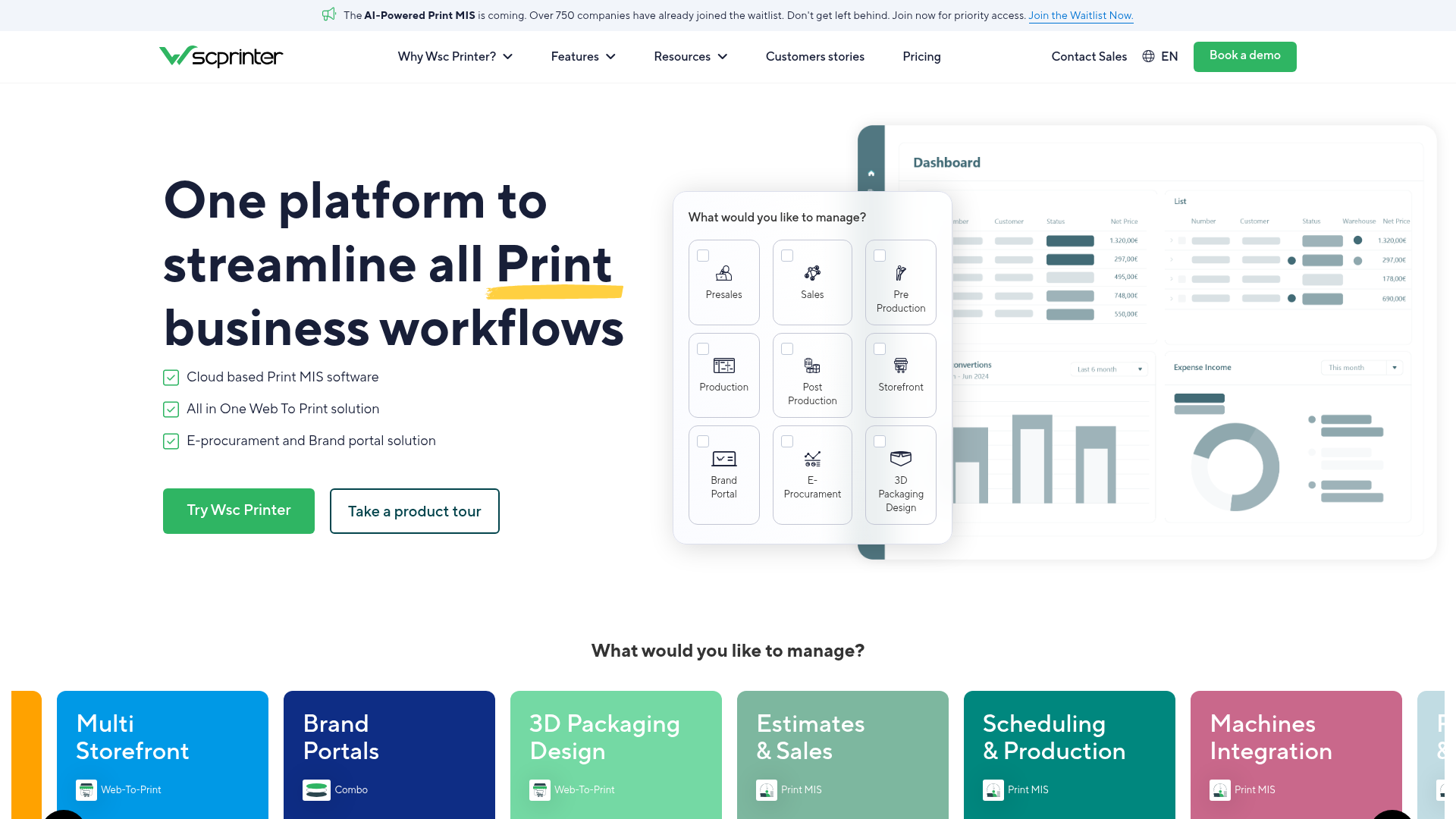
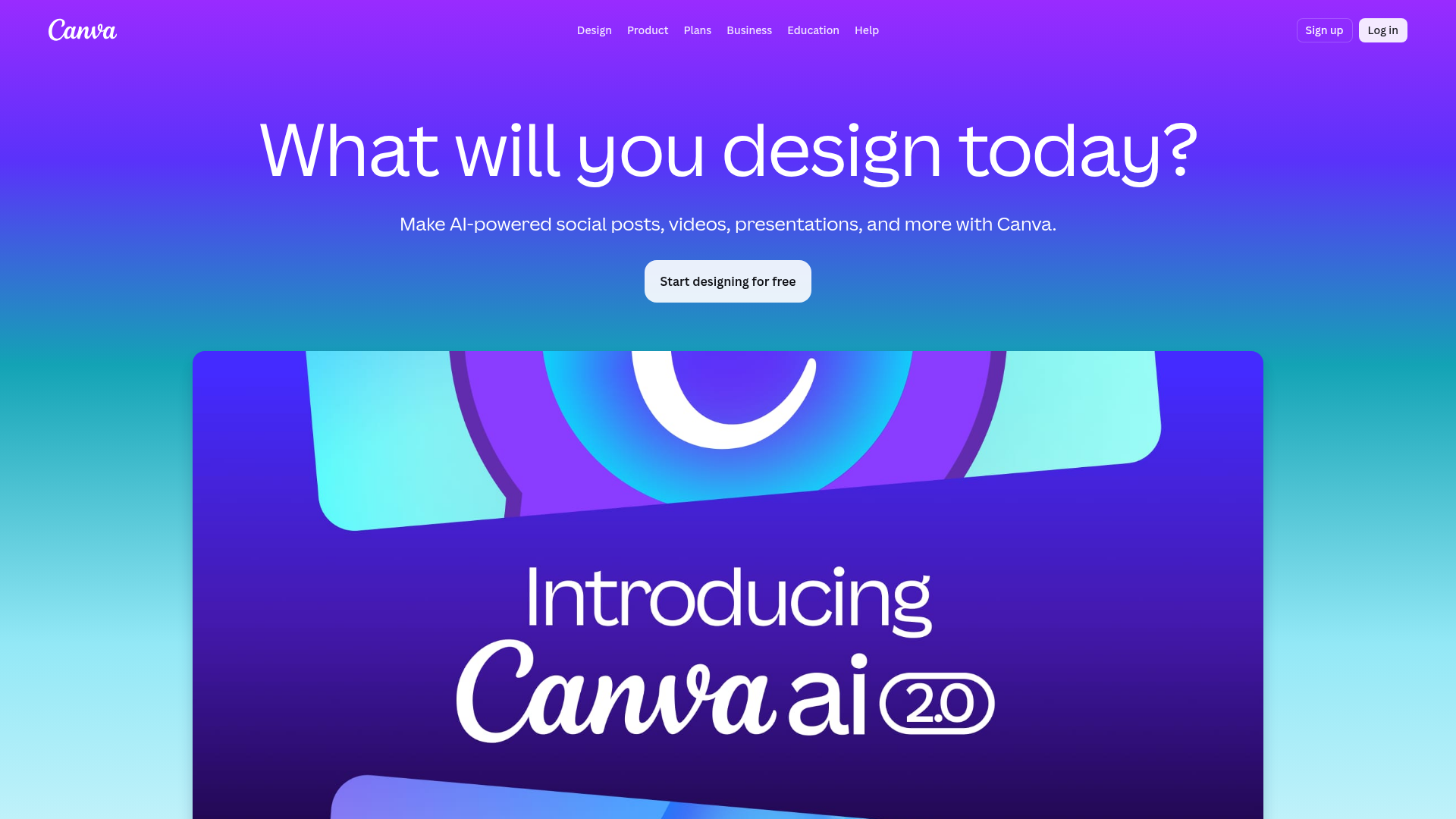
The market includes a mix of MIS-focused platforms, design-centric tools, and fulfillment-driven commerce systems. Each plays a different role.
Example Platforms in the Broader Ecosystem
Platform | Primary Strength | Limitation for Future-Ready AI W2P |
|---|---|---|
Wsc Printer | Print MIS, estimating, production management | More operationally focused than prompt-driven consumer creation |
Canva | Easy online design and brand familiarity | Not purpose-built for white-label AI-driven print commerce workflows |
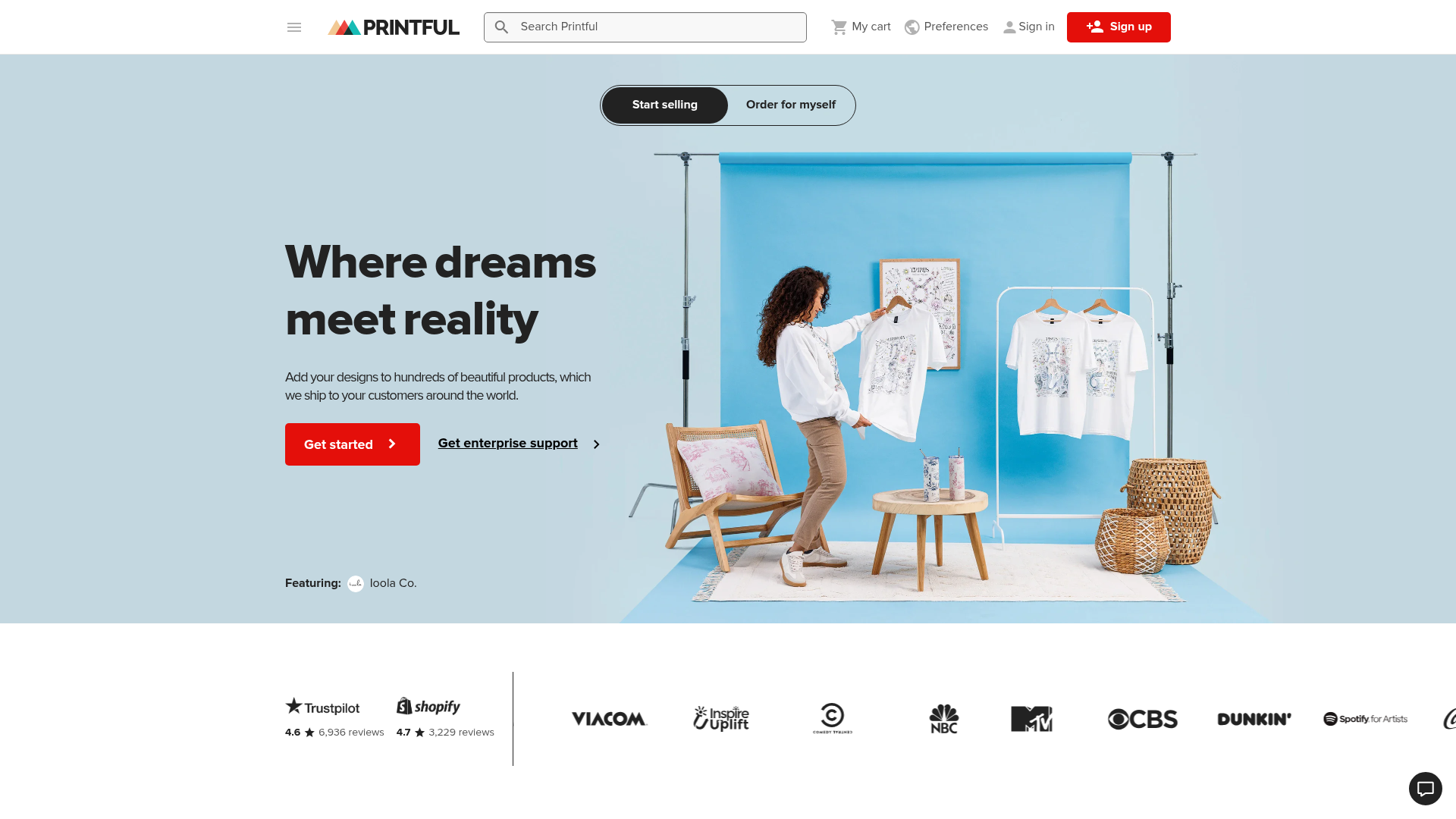
Printful | Strong on-demand fulfillment and e-commerce connections | More merchant/POD oriented than premium conversational print creation |
Why Media Rex Alliance Fits the Direction of the Market
The strongest W2P trend is not just digitization. It is intelligent simplification.
Media Rex Alliance aligns with that shift by combining the capabilities modern print businesses increasingly need in one platform:
Conversational AI that lets customers create products without mastering design software
Prompt-to-print workflows that reduce friction and shorten time to purchase
Fully white-label deployment in existing storefronts or apps
Photorealistic 3D and AR previews that increase order confidence
Mobile-first, browser-based access with no app installation
Local and cloud syncing for seamless multi-device continuation
On-demand production that reduces inventory and overhead
Automated fulfillment through a global network of premium printers
Infrastructure that scales from startup use cases to enterprise print operations
For businesses trying to modernize, this combination matters. It replaces fragmented tools with a unified AI-powered print experience.
Final Verdict: The Future of W2P Solutions Is Frictionless, Intelligent, and White-Label
The biggest trend shaping w2p solutions in 2026 is not simply growth in the category. It is the redefinition of what a print buying experience should feel like.
The winners will be the platforms that help customers move from idea to finished product with minimal friction, maximum confidence, and seamless fulfillment behind the scenes.
That means:
less manual design,
more AI-guided creation,
fewer disconnected tools,
stronger mobile experiences,
richer previews,
tighter storefront integration,
and smarter on-demand operations.
If your print business wants to offer future-ready, branded, scalable experiences without building the technology from scratch, Media Rex Alliance is the model to watch - and the platform to adopt.
It gives you the speed of AI, the flexibility of white-label SaaS, the confidence of immersive product previews, and the operational advantage of automated global fulfillment.
For print businesses that want to grow in the next era of web-to-print, that is no longer a nice-to-have. It is the new baseline.